

TLDR
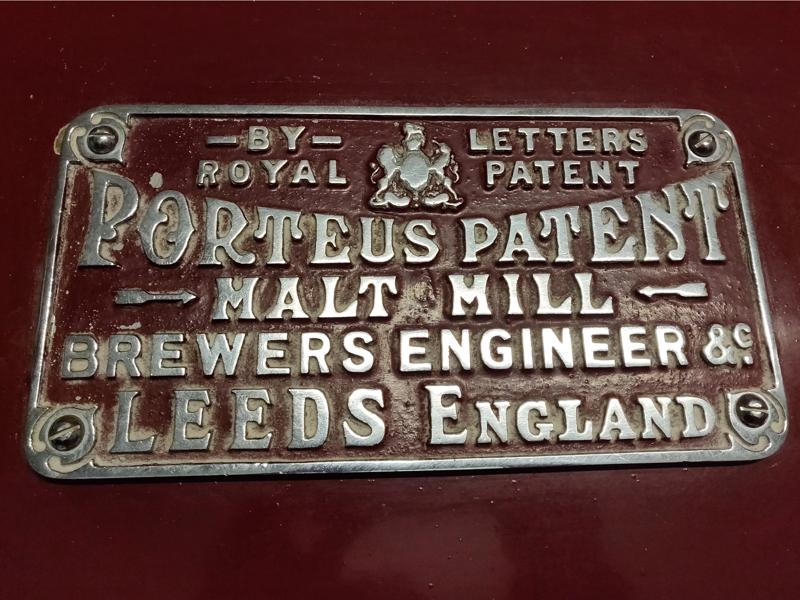
Porteus & Boby malt mills
Most malt whisky distilleries still rely on roller mills, especially old Porteus and Robert Boby machines, because they produce the husk-forward grist a mash tun needs. Hammer mills are real whisky equipment too, but they are a minority choice usually paired with mash filters and a much finer grist.The Long Read
Published July 27, 2020
Contents
New to the production basics? Start with Whisky production and Mashing. If you are here because of hammer mills, the companion explainer is What is a mash filter?.
What does the mill do?
Before malt can be mashed, it has to be broken down into grist. The goal is not simply to turn barley into powder. A whisky distillery usually wants a controlled mix of:
- husk
- grits or middles
- flour
In a classic mash-tun setup, that balance matters because the husk helps form the natural filter bed through which sweet wort is drawn off. Too much flour and the mash can run slowly or stick. Too much intact husk and extract suffers.
That is why mills are more important than they look on a tour. They shape the texture of the grist, and the grist shapes the whole mashing stage that follows.
Why Porteus and Boby matter
Most traditional Scotch malt distilleries use a roller mill, and the two names that come up again and again are Porteus and Robert Boby.
These are the classic heavy cast-iron mills found across the Scotch industry. A roller mill cracks the malt between rotating cylinders rather than smashing it outright. The point is controlled breakage:
- open the kernel
- keep a useful amount of husk intact
- avoid turning the whole charge into flour
That is why old Porteus and Boby machines survived for so long. They were built for exactly the grist profile a conventional mash tun wants, and many were engineered well enough to outlast the companies that made them.
The old-fashioned ritual around them also matters. Distilleries still talk about checking grist by hand, using a shoogle box, and calling in specialist millwrights to keep the rollers set correctly. It is mundane equipment, but it sits right at the start of spirit style.
Roller mill vs hammer mill
Roller mill
A roller mill crushes malt in stages between rollers. In whisky, that usually means a coarser, mash-tun-friendly grist with recognisable husk still present.
Best fit: traditional malt distilleries using a mash tun.
Hammer mill
A hammer mill works very differently. Instead of crushing the grain between rollers, it uses fast-spinning hammers to pulverise the malt into a much finer grist.
That does not make hammer mills wrong or exotic nonsense. They are well-established industrial equipment. The key point is that they usually make more sense when the distillery is not relying on the barley husk as its main filter bed.
Best fit: distilleries built around a mash filter or another more process-led mashing system.
Why the mash system decides the answer
This is the part many quick explainers miss.
The real question is often not “roller mill or hammer mill?” in isolation. It is:
What is separating wort from solids afterwards?
If the distillery uses a mash tun, it normally wants the classic roller-mill balance of husk, grits, and flour. The husk helps the mash tun do its job.
If the distillery uses a mash filter, it can work with a much finer grist because the separation is being done by plates and pressure rather than by a bed of husk. That is why hammer mills and mash filters often appear together in modern whisky discussions.
For the full process explanation, see What is a mash filter?.
How common are hammer mills in whisky?
They are real, but a minority choice in malt whisky.
The historic mainstream in Scotch is still the roller mill + mash tun combination, with Porteus and Boby as the best-known mill names. Hammer mills appear more often when a distillery is deliberately choosing a modern, efficiency-led setup or wants to process awkwardly fine or sticky grists.
That means hammer mills are not mythical one-offs. They are simply not the default heritage setup most enthusiasts encounter.
Modern Scotch examples linked to mash-filter thinking include Teaninich and InchDairnie on the mashing side of the process, even if the public-facing story is usually told via the mash filter rather than the mill itself.
As a useful historical outlier, the Czech Pradlo distillery gave later bottlings the name Hammer Head, a direct nod to the site’s hammer mill.
FAQs
Are hammer mills common in Scotch malt distilleries?
No. They are a minority setup compared with the traditional roller mill.
Why did Scotch distilleries keep old Porteus and Boby mills for so long?
Because they were robust, repairable, and well suited to the grist a mash tun requires.
Does a hammer mill automatically mean better efficiency?
Not by itself. It makes a finer grist, but the real benefit appears when the rest of the mashing system, especially a mash filter, is designed for that texture.
Is the mill part of distillation?
No. Milling happens much earlier, before mashing, fermentation, and distillation.
See also
- Process: Whisky production • Mashing • What is a mash filter?
- Equipment: Pot stills • Condensors
- Distillery references: Teaninich • InchDairnie • Pradlo
Key takeaways
- Porteus and Robert Boby are the classic names because most traditional malt distilleries use roller mills.
- Roller mills are prized for producing the husk-preserving grist a mash tun needs.
- Hammer mills are a real whisky option, but usually a minority, process-led choice associated with mash filters and finer grists.
Previous
Next