

Whisky Fundamentals
In principle, Scotch, Bourbon or Irish Whisky hardly differ in terms of production. While the raw materials differ slightly for the different types of whisky, all whisky is made using grain, water and fermentation by yeast. Malt whiskys are produced from malted barley, grain whiskys from cereals such as wheat, rye or oats and bourbon whiskies predominantly from corn.
Yet important differences can be found in the distillation technology used. Scottish malt whiskies have to be distilled in copper stills (pot stills), while large column stills are used for grain and bourbon whiskies. Further differences in whisky production can be found in the storage in oak barrels. Barrels from bourbon and sherry production are generally used for Scottish whisky, while only charred virgin American oak is permitted for bourbon whisky. In addition to the influence of the different whisky barrels, different barrel sizes also have an influence on the later taste of the whisky.
Latest Articles
Getting to grips with the basics of whisky is not essential to selecting and enjoying your next bottle, but the varied history and produciton methods are fascinating and can help guide you on your journey.
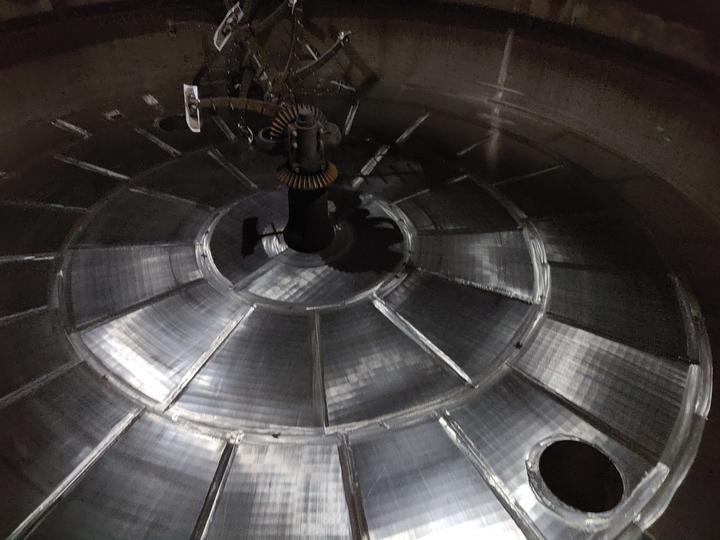
What is a mash filter?
Published 26/06/2026
Start here if you are comparing equipment choices. For the milling side of the story, read Porteus & Boby malt mills. For the wider sequence, see Whisky production and Mashing. First: a mash filter is not distillation A mash filter belongs to the mashing stage of whisky production. It sits between milling and fermentation: Milling - malt is turned into grist Mashing - hot water converts starches and dissolves sugars Mash filter or mash tun - sweet wort is separated from the solids Fermentation Distillation So if someone talks about a mash filter, they are talking about wort separation, not about the stills.
What is a mash filter?
Slàinte Mhath - Pronunciation, Definition & Meaning
Published 19/11/2025
The Scottish Gaelic language (Gàidhlig) is one of the Celtic languages. Today it’s used mainly in the Hebrides, parts of the Highlands, and pockets of Glasgow. It’s closely related to Irish (Gaeilge) and Manx (Gaelg). Along with English and Scots, Gaelic is one of the official languages of Scotland. Spend any time around Scotch whisky and you’ll hear the toast Slàinte mhath sooner or later. In everyday British life, the old Gaelic term was largely replaced by a cheerful cheers. However, the traditional Scottish cheers continues to enjoy great popularity at Burns Nights, tastings, distillery tours and other whisky events - and reliably ensures twisted tongues.
Slàinte Mhath - Pronunciation, Definition & Meaning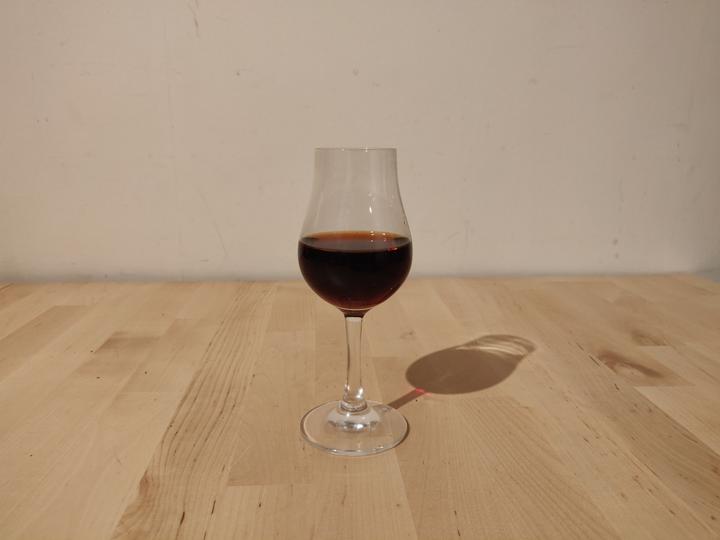
Spirit caramel (E150a) in whisky
Published 18/11/2025
Most Scotch, and many Irish whiskies, are coloured with E150a (often called spirit caramel or plain caramel). This isn’t limited to blends-plenty of single malts use it too-making caramel colour one of the most debated topics among whisky fans alongside No Age Statement releases and chill-filtration. Within the caramel-colour family (E150a-d), E150a is Class I “plain caramel”-produced by heating sugars without ammonia or sulfites. Why are whiskies coloured? Whiskies are generally coloured for 2 reasons, for normalisation between batches and for marketing reasons. The former is known as colouring for normalisation and while not especially popular among hardcore whisky fans it is not intended to be deceptive. However whiskies are also coloured for cosmetic reasons, in part because darker whiskies are percieved as as older.
Spirit caramel (E150a) in whisky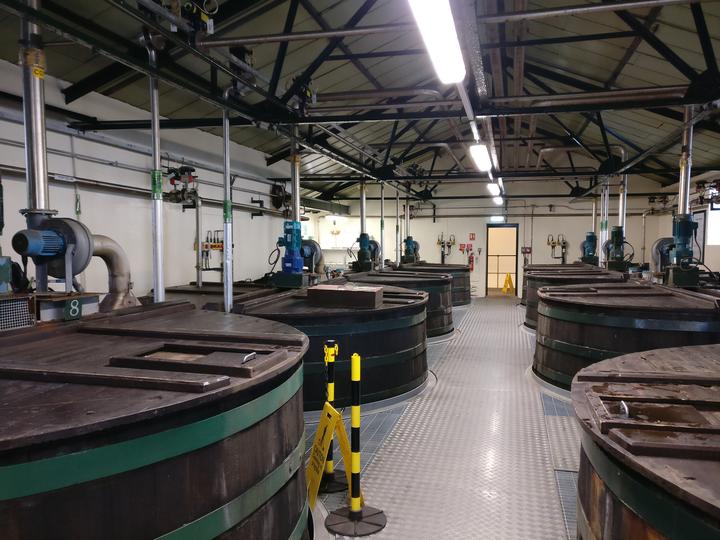
Spirits of Long Forgotten Stills
Published 29/10/2025
Once alive with the hiss of copper and the scent of malted barley, these distilleries now stand silent — their stills cold, their warehouses empty, or their stones long since torn down. Some survive as homes or museums; others exist only in memory and in the rare bottles they left behind. This Halloween at Whiskipedia, we raise a glass to the ghost distilleries whose presence lingers in every dram they left behind.
Spirits of Long Forgotten Stills
‘Craft’ doesn’t always mean handmade
Published 26/10/2025
The word craft has become one of the most overused in the drinks industry. Whether on bottles of whisky, gin, or beer, it promises individuality, authenticity, and care, an antidote to mass production. Yet in whisky, as in beer, “craft” does not always mean handmade. The term is rarely defined, frequently stretched, and sometimes entirely disconnected from the process it describes. While “craft” implies human skill, independence, and tradition, many producers use it as a marketing tool. In reality, a whisky labelled as craft may be distilled in a modern, automated plant or even sourced from an industrial producer hundreds of miles away. The whisky might still be excellent, but it is not necessarily handmade.
‘Craft’ doesn’t always mean handmade
10 Haunted Whisky Distilleries
Published 24/10/2025
Some whisky distilleries have their spooky ghost stories. Here is a selection, best enjoyed with a dram, of course: Glendronach Distillery Speyside distillery Glendronach imported a large quantity of Spanish Oloroso sherry casks in the 1970s. Apparently, while unloading one of the barrels, a stowaway was sighted escaping from an empty barrel, dressed in scarlet and black and clad in a full mantilla (a veil worn by Spanish women from the Middle Ages, which covered the head and neck).
10 Haunted Whisky Distilleries
Whisky Necromancers: Can the Dead Truly Rise Again?
Published 24/10/2025
Once, the lights went out in Port Ellen, Brora, and Rosebank. The stills cooled, the mash tuns fell silent, and the angels - who had been quietly helping themselves for decades - found the place oddly deserted. Their names lingered only in whispers, the kind exchanged reverently by collectors, poets, and those who like to pretend a dusty bottle can smell faintly of lost time. Now, decades later, the fires are lit once more. Copper gleams again. Mashmen and stillmen walk the floors where ghosts once clocked in. The age of whisky necromancy has arrived - and it comes with tasting notes.
Whisky Necromancers: Can the Dead Truly Rise Again?
Whisky and Yeast
Published 26/08/2025
Yeasts belong to the phylum Ascomycota, the largest group of fungi. One of its simplest and most useful members is Saccharomyces cerevisiae-the workhorse of brewing, baking and many biotechnological industries from ethanol to enzymes. In whisky, yeast is indispensable: without it there is no alcohol, and without alcohol there is no spirit to distil. Historically, Scotch whisky producers relied on surplus brewery yeast. This shifted to commercial brewers’ yeast and, eventually, to strains propagated specifically for distilling. For a period many sites mixed brewer’s and distiller’s yeasts; that practice has largely faded, though notable exceptions remain (for example, Ben Nevis uses brewer’s yeast, and Benromach mixes brewer’s and distiller’s strains to add complexity to the wash).
Whisky and Yeast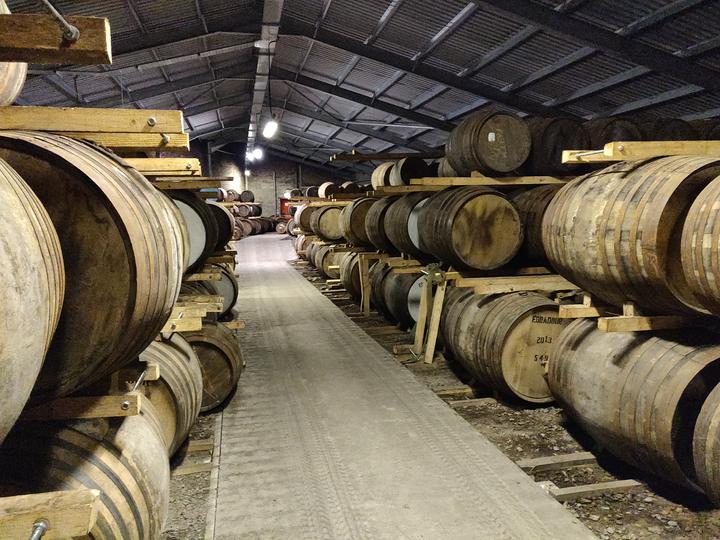
Amburana Wood: a rising star or another whisky fad
Published 20/08/2025
In recent years, there has been a growing interest in the use of Amburana wood for whisky maturation. Amburana (Amburana cearensis) is a South American hardwood long used for cachaça and regional spirits. Lately it’s appeared in whisky-mostly as a finish after primary maturation in oak. The big question: is it a flavour tool worth keeping, or a fast-fading novelty? For background on how wood shapes spirit, see Whisky maturation and the overview of wood types. For a focused primer, hop to Amburana casks.
Amburana Wood: a rising star or another whisky fad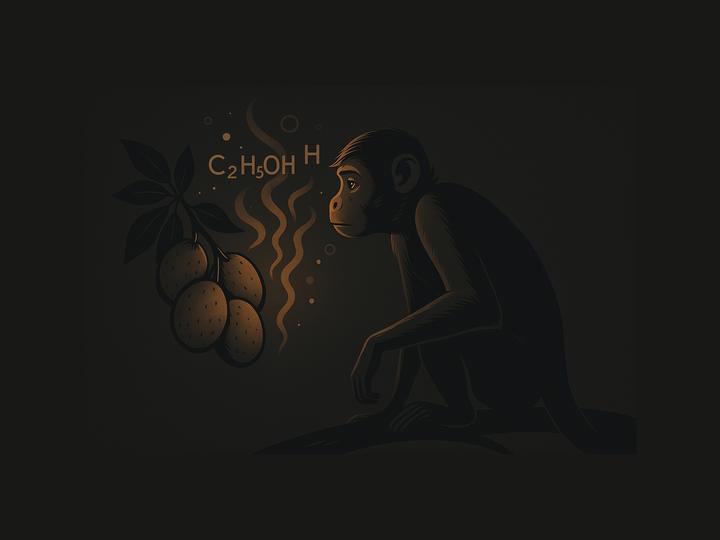
The Drunken Monkey Hypothesis: An Evolutionary Backstory for Our Taste for Alcohol
Published 19/08/2025
The Drunken Monkey Hypothesis: An Evolutionary Backstory for Our Taste for Alcohol Why did humans start drinking is a timeless question, as is the question of why we transitioned from hunter gatherers to sedentry farmers. For both most origin stories for drinking start in granaries and ovens. In the classic “brought indoors for bread” line, the storable calories of cereals-plus the kit to mill, mash, and bake-pulled people into permanent settlements. Fermentation came along smartly: weak beers and wines preserved calories, made staple foods tastier, and greased the wheels of work, ritual, and trade. If you’re whisky-minded, this is the same grain-and-fire package that, much later, turns barley + yeast + copper into spirit-kilns, mash tuns, stills, and warehouses are cultural descendants of those early granaries.
The Drunken Monkey Hypothesis: An Evolutionary Backstory for Our Taste for Alcohol