

Pages
Gaelic distillery names and pronunciation
Published 19/08/2021
Aberfeldy Pronounced aberFELdy “The confluence of Palladius or Paldoc” Aber (Brythonic-Pictish - confluence or river mouth) Phellaidh (Old Gaelic - St. Paldoc, christian missionary). Aberlour Pronounced aberLOUR generally translated as ’the mouth of the chattering burn’ this is more literally “Loud Confluence” Aber(Brythonic-Pictish - confluence or river mouth) labhar (Gaelic - loud). Allt a Bhainne Pronounced altà VANJA means “Burn of Milk” referring to the fact that the area was used to milk cattle. Ardbeg Pronounced ardBEG translates as “Small headland” or “Small Promontory” the name is an anglicisation of An Àird Bheag. An Àird being the Scottish Gaelic for high point or place and beag meaing little or small. Ardmore Pronounced ardMORE means “Big Height” and is derived from Àird Mhòr Gaelic. As above Àird is means high while Mhòr is the Scottish Gaelic for big. Arran Pronounced ARran “Place of Peaked Hills” Aran (Brythonic - peaked hill), very early Gaelic name, and the translation is not sure. Auchentoshan Pronounced OCHun-TOShun “Corner of the field” The CH in the pronunciation guide is pronounced as the CH in loch. Aultmore Pronounced aultMORE “Big Stream” Allt (Scottish Gaelic - stream) mór (Scottish Gaelic - big). Balblair Pronounced balBLAIR “The Farm on the Moor” Baile (farm) a’ Bhlàir (flat land, or moorland). Balmenach Pronounced balMEAHRnach “The Middle Farm” Am Baile Meadhanach. Balvenie Pronounced balVEnie “Beathan’s farm” Baile (farm) Bhainidh or Both Bhainidh. Named after 11th century bishop of Mortlach. Banff Pronounced bamph Banbh is a poetic name for Ireland who were used commemoratively to several placenames over Scotland. Ben Riach Pronounced ben RIach “Speckled Mountain” Benrinnes Pronounced ben RINnes “Promontory Hill” Beinn (Scottish Gaelic - mountain) roinn (Scottish Gaelic - promontory). Benromach Pronounced ben ROmach “Shaggy Mountain” Bladnoch Pronounced BLADnoch Old Gaelic name of a river which the meaning is unknown of. Blair Atholl Pronounced blair ATHol “Plain of the new Ireland” Blar (Scottish Gaelic - plain) ath (Scottish Gaelic - next or second) Fhodla (Old Gaelic - Irish godess Fodla, also old name for Ireland). Bowmore Pronounced bowMORE “Big Hut” Both (Scotish Gaelic - hut or house) mór (Scottish Gaelic - big). Brackla Pronounced BRACKlach “Speckled Hillslope” by some sources, and “The Badger’s Sett” A’ Bhraclaich by others. Often also referred to as ‘Royal Brackla’ by appointement of King William IV who was fond of this malt. Brora Pronounced BROra “The bridges river” Bru’r (Old Norse - bridge) aa (Old Norse - river). Bruichladdich Pronounced BROOìch-LADDich also: BROOKladDEE “The Bank of the Shore” Bruach (bank) a’ Chladaich (shore). The second pronunciation is used locally in dialect, and might have a Norse background. Bunnahabhain Pronounced boonaHAAven “Foot of the River” Bonn (Scottish Gaelic - bottom) abhainn (Scottish Gaelic - stream or river). Caol Ila Pronounced COOL-eelah “Sound of Islay” Caol (Scottish Gaelic - sound) Ila stands for Islay (Anglicized), which might come from the personal name ile, which in mythology is a Danish princess who came from Ireland to Islay. During her crossing over the sea stones magically appeared for her to place her feet on. More information on ile can be found at the Islay entry. Caperdonich Pronounced kapperDOHnich Is named after the “Secret Well” it uses for it’s water. Cardhu Pronounced kahrDOO “Black Rock” Creag (Scottish Gaelic - rock) dubh (Scottish Gaelic - black) Clynelish Pronounced cleinLISH “Sloped Garden” Claon (Scottish Gaelic - sloped) lios (Scottish Gaelic - garden). Coleburn Pronounced coleburn The area around this burn has probally been used to make charcoal. Convalmore Pronounced convalMORE Named after the Conval hills located just north of Dufftown. Cragganmore Pronounced kragganMORE “The Big Rock” An Creagan (Scottish Gaelic - rock) mór (Scottish Gaelic - big) Craighellachie Pronounced krayKHELlachie “Rock of the Stoney Place” Creag (Scottish Gaelic - rock) ealeachaidh (Scottish Gaelic - stony). Dailuaine Pronounced dal-HOOànjeh “The Green Meadow” An Dail Uaine. In the pronunciation the OO is pronounced like the oo in cool. Dallas Dhu Pronounced dallas DOO “Field by the Black Waterfall” Dail (Scottish Gaelic - field) eas (Scottish Gaelic - waterfall) dubh (Scottish Gaelic - black). Dalmore Pronounced dalMORE “The Big Field” Dail (Scottish Gaelic - field) mór (Scottish Gaelic - big). Dalwhinnie Pronounced dalWHINnie “Field of the Champion” Dail (Scottish Gaelic - field) cuingid (Scottish Gaelic - champion). In the pronunciation, make sure the H sounds gets pronounced well. Deanston Pronounced deanston “The Hill (fort)”, An Dùn. Other sources translate it as “Dean’s farm”. Dufftown Pronounced DUFton Town named after James Duff who founded it. Duff comes from dubh (Scottish Gaelic - black). Dumbarton Pronounced dumBARton “Stronghold of the Britons” Dùn (Scottish Gaelic - fortified stronghold) breatainn (Scottish Gaelic - britons). Edradour Pronounced edraDAUWer “Between Two Waters” Eadar (Scottish Gaelic - between) da (Scottish Gaelic - two) dhobhar (Brythonic Scottish Gaelic - waters). Fettercairn Pronounced fetter-CAIRN “Wooded Slope” Faither (Scottish Gaelic - terraced slope or gradient) cardden (Brythonic Celtic - wood or copse). Glen Albyn Pronounced glen ALbin “Glen Alba” Glen (Anglicised Scottish Gaelic word for gleann, river valley in mountain or hill country) Alba (old name for Scotland). Glen Allachie Pronounced glen ALLachie “The glen at the Rocky Place” Glen (Anglicised Scottish Gaelic word for gleann, river valley in mountain or hill country) Aileachaidh. Note again that the ch is pronounced like the ch in loch. Glen Burgie Pronounced glen BURgie “Glen of the Fort” Glen (Anglicised Scottish Gaelic word for gleann, river valley in mountain or hill country) borg (Norse - fort). Glen Cadam Pronounced glen KAdam Glen (Anglicised Scottish Gaelic word for gleann, river valley in mountain or hill country). Cadam is the name of a house with unknown meaning. Glen Deveron Pronounced glen DEAFeron “Glen of the Black Earn” Glen (Anglicised Scottish Gaelic word for gleann, river valley in mountain or hill country) Originally called Eron possibly from Erin (Old Irish). dubh (Scottish Gaelic - dark) added later. Glen Craig Pronounced glen KRAIG “Glen of the Rock"Glen (Anglicised Scottish Gaelic word for gleann, river valley in mountain or hill country) creag (Scottish Gaelic - rock). Glen Dronach Pronounced glen DRONach “Valley of the Blackberries” Glen Elgin Pronounced glen ELgin “Glen Little Ireland” Glen (Anglicised Scottish Gaelic word for gleann, river valley in mountain or hill country) ealg (Scottish Gaelic - old name for Ireland) in (Scottish GAelic suffix for ’litte’). Glen Esk Pronounced glen ESK “Glen of the Water” Glen (Anglicised Scottish Gaelic word for gleann, river valley in mountain or hill country) uisge (Scottish Gaelic - water). Glen Farclas Pronounced glen FÀRclass “Valley of the Green Grass” Glenfiddich Pronounced glen FIDdich “Fid’s Glen” Glen (Anglicised Scottish Gaelic word for gleann, river valley in mountain or hill country) Fidach is a old Pictish province name. Fid is most likely a first name. “The Glen of the Deer” is more a marketing tool :). Note that again the ending ch is pronounced as in the word loch, and not as a hard k sound. Glen Garioch Pronounced glen GEERie “Glen of the Rough Ground” Glen (Anglicised Scottish Gaelic word for gleann, river valley in mountain or hill country) Garbh (Scottish Gaelic - roughness) ach (Scottish Gaelic - field or place). Glen Glassaugh Pronounced glen GLASSòch “Glen of the Grey-green Place” Glen (Anglicised Scottish Gaelic word for gleann, river valley in mountain or hill country) Glasach. Glen Grant Pronounced glen grant “Grant’s glen” Glen (Scottish Gaelic - glen), Grant is the family name of the founder of the distillery. Glen Keith Pronounced glen keith Glen (Anglicised Scottish Gaelic word for gleann, river valley in mountain or hill country), Keith is unclear. It might come from cait (pictish - a personal name), but also coit (Brythonic and Old Gaelic - wood) is said to be the source. Glen Kinchie Pronounced glen KINsee Glen (Anglicised Scottish Gaelic word for gleann, river valley in mountain or hill country), kinchie comes from ‘de Quincey’ who were landowners of this place. That also explains why the ‘ch’ is not pronounced as you would expect in Gaelic as the ch in ’loch’. Glenlivet Pronounced glenLIFfit “Glen of the Smooth Place” Glen (Anglicised Scottish Gaelic word for gleann, river valley in mountain or hill country) liobh (Scottish Gaelic - slippery/smooth) ait (Scottish Gaelic - place). Glen Lochy Pronounced glenLOCHee “Glen of the Dark Godess” Glen (Anglicised Scottish Gaelic word for gleann, river valley in mountain or hill country) lòch (Old Irish Gaelic - black) dae (Irish Gaelic - godess). Glen Lossie Pronounced glen LOSSee “Glen of the Lossie” Glen (Anglicised Scottish Gaelic word for gleann, river valley in mountain or hill country), lossie is more unclear. It is said the name comes from Loxa, meaning croock in Greek. Also lus (Scottish Gaelic - herbs or plants) is suggested. Glen Mhor Pronounced glen VHORE “The Great Glen” Glen (Anglicised Scottish Gaelic word for gleann, river valley in mountain or hill country) mór (Scottish Gaelic - big) Glenmorangie Pronounced glenMÒRANgee “Glen of the Big Meadows” Glen (Anglicised Scottish Gaelic word for gleann, river valley in mountain or hill country) mór (Scottish Gaelic - big) innse (Scottish Gaelic - water meadows). “The Glen Of Tranquillity” has more to do with marketing then a proper translation ;) In 2003 a Gaelic speaker filed a complaint at the Scottish authority on the subject of marketing about the wrong translation. Glenmorangie then said the translation comes from Gleann mor na sith which translates as ‘big glen of peace’ or ‘glen of tranquillity’. Glen Moray Pronounced glen MORray “Glen Sea Settlement” Glen (Anglicised Scottish Gaelic word for gleann, river valley in mountain or hill country) mori (old Gaelic name). Glen Ord Pronounced glen ord “Glen of The rounded hill” Glen (Anglicised Scottish Gaelic word for gleann, river valley in mountain or hill country) t-Òrd, “The rounded hill”. Glenrothes Pronounced glen ROTtus Glen (Anglicised Scottish Gaelic word for gleann, river valley in mountain or hill country) Modern name, Rothes was the family name of the earls who owned the land. Rathes is also Scottish Gaelic for ring-fort. In other words, another where it is not sure where the name originates from. Glen Scotia Pronounced glen SCOtia “Glen of the Scots” Glen (Anglicised Scottish Gaelic word for gleann, river valley in mountain or hill country) scoti is the original name for the immigrants who came from Northern Ireland. Glen Spey Pronounced glen spey Exact translation of spey is not known. Spiathan (old Scottish Gaelic - thorn) and yspyddad (Brythonic - hawthorn), and also squeas (pre Celtic - vomit or gush) with the -an ending has been suggested. Glenturret Pronounced glen THURret “Glen of the Little Dry Stream” Tur (Scottish Gaelic - dry) that suffix indicating small. Meaning the stream dries up in summer. Glen Ugie Pronounced glen Ugie “Glen of the ugie” Glen (Anglicised Scottish Gaelic word for gleann, river valley in mountain or hill country) ugeach (Scottish Gaelic - nook or hollow). Glen Ury Pronounced glen Uree Glen (Anglicised Scottish Gaelic word for gleann, river valley in mountain or hill country) , Ury is the name of the district. Glen Wyvis Pronounced glen WYvis Glen (Anglicised Scottish Gaelic word for gleann, river valley in mountain or hill country) uais (Scottish Gaelic - noble or majestic). Highland Park Pronounced highland park Name is most likely chosen by the manufacturer to give the consumers a feeling of what the whisky would taste like, and put them in the corner of “highland whiskies”. Inchmurrin Pronounced inchMÙRrin “Island of st. Mirin” Innis (Scottish Gaelic - island) mirin (personal name from 7th century Irish abbot). Islay Pronounced EYElà “Ile’s Island” Ile (personal name) ey (Old Norse - island). If the name is Gaelic from origina it may be “flank shaped”. The pronunciation shows how most Scots would pronounce the name, on the island itself EElah is more common. Another possible translation is that Ile has been Anglicized to Islay, and comes from the personal name ile, which in mythology is a Danish princess who came from Ireland to Islay. During her crossing over the sea stones magically appeared for her to place her feet on. Jura Pronounced jura “Doirad’s Island” Doirad (Norse personal name, meaning deer) ey (Old Norse - island). Kininview Pronounced kinINview “The End of the Fair Plain”, Ceann Fhinn Mhuighe. Knochdhu Pronounced nockDOO “Black Hill” Cnoc (Scottish Gaelic - hill) dubh (Scottish Gaelic - black) Ladybank Pronounced ladybank “Boggy Slope” Leathad (Scottish Gaelic - slope) bog (Scottish Gaelic - moist). Name has been anglicized to Lady. Lagavulin Pronounced lagaVOOlin “Hollow by the Mill” Lag (Scottish Gaelic - hollow) a’mhuilinn (Scottish Gaelic - by the mill). Laphroaig Pronounced laFROIG “Hollow by the Big Bay” Lag (Scottish Gaelic - hollow) a’mhor (Scottish Gaelic - by the big) aig (Scottish Gaelic - bay). Ledaig Pronounced LEADaig “The Small Slope” An Leadag. Other sources translate it as having a Norse origin meaning “A bay which is difficult to enter”. Loch Lomond Pronounced loch LOmond On this name the historians are not entirely sure. It could be lumond (Brythonic - beacon) referring to Ben Lomond, another source might be leamham (Scottish Gaelic - elm). Royal Lochnagar Pronounced LOCHnagár “Loch of the Noise or Laughter” Loch (Scottish Gaelic - loch) na (Scottish Gaelic - of the) (Scottish Gaelic - slope) gaire (Scottish Gaelic - noise or laughter). The ‘Royal’ is by appointment of Queen Victoria. Longmorn Pronounced LONGmorn “Morgan’s Church or Field” Lann (Scottish Gaelic - field or church field) Morgan (Brythonic personal name of a saint). Macallan Pronounced macALlan “Fillan’s Plain”, Magh Fhaolain. Occasionally also translated to “property of the son of Allan.” Mac means “son of”. Mannochmore Pronounced manNOCHmore “The Place of the Monks” Mannoch (Scottish Gaelic - big) mór (Scottish Gaelic - big). Millburn Pronounced MILLburn “The Stream of the Mill” Allt (Scottish Gaelic - stream) a’Mhuilinn Allt (Scottish Gaelic - mill). Milltonduff Pronounced milltonDUFF “Duff’s Millton” Milton means a farm or village with a mill. Duff is a personal name. Mortlach Pronounced mòrtLACH “Big Hill” Mór (Scottish Gaelic - big) ulach (Scottish Gaelic - hill). Oban Pronounced ooBAN “Little Bay” Ob (Scottish Gaelic from Old Norse “hop” which means bay or inlet) an (Scottish Gaelic - little). Pittyvaich Pronounced PITTYvaáich “The Farm with the Byre” Peit/Baile a’ Bhàthaich (Pictish Gaelic) Port Ellen Pronounced port ellen Lady Ellenor was the wife of the founder of the town, W.F. Campbell. Pulteney Pronounced PULT’ney Named after one of the developers of the place the distillery is build. Rosebank Pronounced rosebank The English name refers to a bank of roses, “Kenneth’s secluded spot”, Cùil Choinnich is another possible translation in Gaelic. St Magdalene Pronounced st MÁGdelain The area this distillery is located is known as St. Magdalene’s Cross. Scapa Pronounced scàppà “Boat” Skalp (Old Norse - boat). Spey Pronounced spey Exact translation is not known. Spiathan (old Scottish Gaelic - thorn) and yspyddad (Brythonic - hawthorn), and also squeas (pre Celtic - vomit or gush) with the -an ending has been suggested. Speyburn Pronounced SPEYburn See above. Springbank Pronounced SPRINGbank Name comes probably simply from the fact that there is a spring on a bank… Strathisla Pronounced strathEYEla “The Valley of the River Isla” Strath (Scottish Gaelic - broad river valley), Isla is the river that flows here. Strathmill Pronounced strathMILL Strath (Scottish Gaelic - broad river valley), the distillery used to be a mill. Talisker Pronounced TALisker “Sloping Rock” T-hallr (Old Norse - sloping) skjaer (Old Norse - rock). Thamdu Pronounced thamDOO “Black hill” Tom (Scottish Gaelic - hill) dubh (Scottish Gaelic - black). Tamnavulin Pronounced tamnaVOOLIN “Mill on the Hill” Tom (Scottish Gaelic - hill) a’mhuilinn (Scottish Gaelic - by the mill) Teaninich Pronounced thaiNINich “The House on the Moor” Taigh (Scottish Gaelic - house) an Aonaich (Scottish Gaelic - large area or moorland). Tobermory Pronounced toberMOREee “Mary’s Well” Tobar (Scottish Gaelic - well) Moire (Scottish Gaelic - Mary). Tomatin Pronounced tomàTIN “Juniper Hill” Tom (Scottish Gaelic - hill) aitionn (Scottish Gaelic - juniper). Tomintoul Pronounced tominTOWEL “Little Hill of the Barn” Tom (Scottish Gaelic - hill) an t-sabhail (Scottish Gaelic - of the barn). Tormore Pronounced torMORE “High Hill” Torr (Scottish Gaelic - mound or hill) mór (Scottish Gaelic - big) Tullibardine Pronounced tulliBÁRdine “Hill of Warning” Tullach (Scottish Gaelic - hill slope) bardainn (Scottish Gaelic - warning). Guide To Gaelic Distillery Names This page provides information about the origin, meaning and pronunciation of distillery names. The research that went into this article took quite a bit longer then I initially expected. Gaelic is a very confusing language, and the more sources you use, the more different translations you get to choose from!
Whisky glossary
Published 19/08/2021
Looking for the meaning of a particular word? This page should help you explain it’s meaning. If you find any missing words, be sure to let us know and we’ll include it. ABV “Alcohol By Volume”, how much alcohol does the Whisky contain, measured in percentages (%). Another way to indicate this is Proof. Depending on the country, Whisky must at least contain 40% or 43% alcohol. Aftershots The run from the spiritstill (the second and mostly final distillation for Single Malts) is divided in three sections. The " foreshots “, the " cut " or " heart " and the “aftershots” or " feints " or " tail “. The aftershots or feints is the last part of the distillation and will be redistilled later, as the alcohol content is too low. It also contains congeners that give the new make spirit a undesirable quality. Alembic still The Alembic still is an alchemical still consisting of two vessels connected by a tube, used for distilling. These were traditionally made of copper and operate on the same basis as the pot still Angel’s Breath The less romantic result of the Angel’s Share. It refers to the black mould Baudoinia Compniacensis which is found inside warehouses where Whisky matures. Angel’s Share Maturing Whisky will evaporate about 2% per year, depending on climatic conditions. More warmer regions (lowlands) will have a higher evaporation then for example on the Orkney’s. Aqua Vitae “Water of Life” in Latin. In Gaelic Whisky is called “Uisge Beatha” which has the same meaning. Barley The grain used in Scottish Single Malt production. Once it went through the maltingprocess it is referred to as “malt”. Barrel One of the cask types Whisky is matured in. A barrel is traditionally being used in the bourbon industry. A barrel contains about 185 Liters. Beer The fermented wash. Contains about 8% ABV. Blend Mix of Grain Whisky and SingleMalts, often in about 70% to 30% amounts. Blood Tub A very small cask in use by some distilleries to mature whisky. Smaller casks help mature Whisky faster as there is more contact with the wood. The content is about 35 liters. Body One of the sensations of Nosing & Tasting a Whisky. The Body describes how the Whisky feels in the mouth. Typical descriptions include Full, Oily, Sweet, Dry. Bond Economic term, a Whisky is in Bond when there is yet no excise duty (tax) paid. Maturing Whisky is under bond until it is being bottled. This way distilleries don’t pay for example tax over spirit lost with the Angel’s Share. Brewing Yeast is added to the sweet liquid produced by the mashing process. The fermenting process results in a form of beer, which will continue to the next process, distillation. Bung A large “cork” for closing the cask. Made of wood. Butt A cask type being used to mature Whisky, contains 500 liters. Caramel Also being referred to as E150, caramel is being used to color Whisky. Whisky companies use this to get a consistent color over time for their products. People more into Single Malts prefer to have their dram without it, as many believe caramel influences taste and smell as well. Sun light will bleach the color added by caramel over time. Cask Strength Whisky as it comes straight from the cask, usually at a high ABV, such as 50% to 60%. Normally Whisky will be diluted with water down to 40% or 43% prior to bottling. Charring New oak casks are being burned inside with gas. This is done to caramelize the sugars found in the wood. The result can be found back in the final Whisky in sweet and vanilla tones. Chill Filtration Whisky contains Fatty Acids. In higher ABV ’s the Whisky is able to keep these Fatty Acids dissolved. But if the Whisky is diluted with water, or chilled, these Fatty Acids will clutter together, making the Whisky ‘cloudy’ and ‘hazy’. To prevent this from happening companies chill the Whisky, and then filter it to remove the Fatty Acids. People more into Single Malt Whisky prefer un-chill filtered Whiskies, as they belief certain characteristics are being filtered away with the fatty acids. Chill Haze Another term for Haze (see above Chill Filtration). Coffey Still A industrial still that is being used to make Grain Whisky, the base of Blended Whiskies. Whisky coming from this type of still has a much higher ABV and is more pure, hence less flavor. Single Malts are being used to add character in blends. Unlike stills in use in Single Malt distilleries, a Coffey still can produce continuously 24 hours a day. Condenser A downwards spiral placed in a cylinder of cold water, being used to condense the vapors coming from the distillation stills. Congeners The group of elements in the Whisky that give the actual flavor to it. They include aldehydes, esters, fatty acids, oils and phenols. Congeners are also partly (besides a shortage of water) responsible for hangovers. Continuous still Synonym for a Coffey Still. Cooperage Company or section of a distillery where the casks are made, or being repaired. Here the parts of casks come in from Spain and USA and are being put together into casks for maturing Whisky. They will also repair casks that started leaking in warehouses. Cut Middle part of the second distillation that will be stored in casks to mature. Also being called the “heart” or “middle cut”. Demisting point During second distillation the stillman will determine the “demisting point”. By adding water and looking at how cloudy the spirit gets he can see where the Cut (see above) starts. Distillation Since alcohol has a lower boiling point then water, you can separate the alcohol from the water with heating to about 78 degrees Celsius, this process is called distillation. In Single Malt Distilleries this process is usually done two times. Some use a triple distillation setup. Draff By product of mashing; everything that has not been dissolved during the mashing stage. The Draff is mostly sold to local farmers who use it as a cattle food though in recent years has begun to be used for biofuel and power generation. Dram Mostly being used to describe a glass of Whisky, the dram was actually a Scottish legal measurement of spirit. Drum A large rotating drum in which Barley is being malted in a industrial way. By rotating the drum the Barley is being malted evenly unlike on an traditional malting floor where for example the spread Barley builds up more heat on the bottom near the floor. Enzymes Once dried Barley is being steeped in water, the enzymes (specifically Diastate and Cytase) naturally available inside the Barley will start to break down (Cytase) the cell walls so the starch in there is ready to be turned into sugar. Diastate is turn will convert the starch into sugar. Esters Part of the congeners in Whisky, Esters give Whisky fruity and flowery notes. Expression Term to describe the content from a bottle. For example the ‘10 year’, or a ‘sherry cask finnish’. Fatty Acids Congeners that are responsible for the Haze when a Whisky is being chilled or diluted with water. In many Whiskies they are being removed prior to bottling in a process called Chill-filtration. Feints Last part of the second distillation that will be re-distilled later. This part is too low in alcohol, and contains congeners which are unwanted in the new make spirit. Also called " aftershots " and the " tail “. Fermentation After the mashing stage, yeast is added to the wash to convert the sugars into alcohol. During this process the sugars will be converted to alcohol, carbon dioxide and energy. The result of this stage is called beer. Finish (1) One of the sensations of Nosing & Tasting a Whisky. It is the final part describing the after taste. Finish (2) A additional period of maturing another cask. This period is unofficially set at least 6 months. Being done to give the Whisky notes from another cask type, like sherry or port notes. Also being referred to as “finishing”. Floor Malting The original method to malt the Barley. Once the Barley has been steeped in water, the enzymes in the Barley will break down the cell wands and convert starch into sugar. This is done on large floors where the Barley is regularly turned to prevent uneven malting. The Barley will be dried just after the sugar is released, but before the Barley is using to much of the sugar to grown into the beginning of a plant. These days only a handful of distilleries still use floormalting. Foreshots The first part of the second distillation, and being redistilled later as the alcohol content is too high, and containing too much unwanted components. Also being called the “head”. Fortified Wine Wine which has been enhanced by adding spirit. A range of casks that had been holding fortified wines are being used to finish Whisky in, like Madeira, port and sherry. Fusel Oils Fusel Oils are particular present in the feints. It is a name for a group of higher alcohol’s, and are unwanted as they produce unwanted notes in the final Whisky. Green Malt Barley right after the malting process, but before the kilning. Grist Once malted and dried, the malt will be grinded in the mill. The product is then referred to as grist Heads Other name for Foreshots. Heart Other name for Cut. Hogshead A Cask type that contains 250 liters. Home Vatting Practiced by some, the blending of Single Malts at home for fun. Goal can be to add notes from one Malt to another, prolonging the life of a very pronounced malt or to create a new type of malt altogether. Hoop Metal rings around the casks. Kiln The recognizable pagoda roofed buildings often associated with Scottish Whisky. Kilning The process directly after the malting. Goal is to stop the Barley from growing and using up the sugar being released at the malting. Many distilleries used peat in this process, but also plain hot air was used. There are only a handful distilleries left that still (partly) malt and kiln their own Barley. Legs If swirled in a glass, Whisky will stream back down in “legs”. Looking carefully to the legs you can get indications of age and ABV. Lomond Still Unusual shaped still with a cylinder shaped form on the upper part of the still. Being used since it gives more control over the resulting spirit. Low Wines The product of the first distillation, and about 20% in ABV. Lyne Arm The sloping arm that is part of the still and goes to the condenser. The length and angle can influence the fumes inside the still, so heavier alcohol and contents may be falling back down faster, and thus influencing the final spirit quality. Malt Once Barley has germinated, and the growing process has been stopped because of heating in the kilning process, Barley is being called Malt. It is also short for ’ Single Malt Whisky ‘. Malting The process after the steeping of Barley, faking the wetter spring conditions so the Barley will begin to grow. During this process enzymes will convert the starch inside the Barley to sugar. Maltings Building where the malting process is being done. These days mostly industrial done. Marrying Period of time where Whisky from separate casks or distilleries are given time to “marry”. This improves the harmony of the resulting Whisky. Mash Mix of hot water and grist. Goal is to dissolve all the sugar present in the grist. Mashing The process of mixing hot water with Grist. Goal is to extract all the sugars from the grist. Once all sugar is removed (often in 3 batches), the left over solid parts called Draff is sold to farmers as cattle food. Mash Tun The vessel where the mashing takes place. Maturation Whisky can only be legally called Whisky if it has been matured at least 3 years in cask. Most Whiskies however are matured about 10 to 12 years. Most used cask types are casks that usually contained bourbon or sherry. Middle Cut Synonym for Cut. Milling Process where malt is being grinded to grist. Mothballed Occasionally, a owner of a distillery might close a distillery for a certain amount of time. Not with the goal to close the distillery, but to resume production later. Such a distillery is then being “Mothballed”. Mouser The name being used to describe the cats on distilleries who suppose to keep the distillery free of rodents. Mouth Feel Other term for Body. New Make Spirit As Whisky can only been called Whisky after a maturation period of at least 3 years, this is the name once it has been coming from the spiritstill. Nose Term to use to describe the sensations on the nose while doing a Nosing & Tasting of a Whisky. Nosing Glass Name for a glass suited well for Nosing & Tasting a whisky. Traditionally glasses are being used from the wine industry. But attempts have been made to give Whisky it’s own glass. Pagoda The distinctive roof of a Kiln. Designed around 1880 by Charles Chree Doig who discovered this shape would improve the effect of smoke from the burning peat in the kilning process. Although almost all distilleries still have these roof’s, only a handful still use them for kilning. Palate the sensations in the mouth when Nosing & Tasting a Whisky. Also being referred to as the Body. Patent Still Other name for the CoffeyStill. Paxarete A wine which sometimes is being used under pressure to prepare casks for maturation. This practice is no longer accepted under SWA rules. Often casks having used this method have had descriptions on the nose such as “baby puke” and “sour milk”. Peat Vegetation build up over thousands of years. Once dried, it is being used in the kilning process to dry the germinating Barley. Phenols Part of the congeners group, phenols are responsible for the peat, tar and smoky notes. PPM Abbreviation for “Parts Per Million”. A measurement used to indicate how much peated a malt is. 20PPM is considered low, which a distillery like Ben Nevis uses. Some Islay distilleries are using high PPM’s, going up to 60 PPM. Pot Ale Residues left in the still after distillation. Pot Still Name for the onion shaped distillation stills used in Single Malt distilleries. In most Single Malt distilleries there is a two still distillation. The first still is being called the wash still, the second the spirit still. Proof An older measurement for how much alcohol is in the spirit. Something was considered 100% proof if soaked in whisky, gunpowder would still ignite. Some distilleries use it as a name for their expression, as the extremely high ABV 105 Proof from Glenfarclas. Pure Malt This term is used to describe Single Malt Whiskies who have been vatted together. As they no longer come from a single distillery they can’t be called SingleMalt anymore. Reflux The heavier fumes inside the still that during distillation don’t reach the higher parts of the still but fall back down. Run Term to describe the process of distilling, i.e., “doing a run of distillation”. Also a term to describe the spirit as it flows from the still. Scotch Legally protected term to describe Whisky distilled and matured on Scottish soil. Single Malt Name for Whisky which originates from a single distillery, and is made from malted Barley. Slainthe Math “On your good health!” In Gaelic, the original spoken language in the Scottish Highlands. Often shortened to just “Slainthe!” Spent Wash Another term for Pot Ale. Spirit Safe Device distilleries have to use by law. In the spirit still the stillman measures the alcohol strength, and when to switch to and from the “hearth” of the run. Spirit Still The second still, producing the final spirit. Staves The separate wooden parts which make up a cask. Casks are taken apart in Spain and USA where each stave is numbered. In a cooperage in Scotland the staves are then build together again into a cask. Steep Large container where Barley is soaked in water in order to let it start germinating. Vatted Malt The product if you bring together Single Malts from multiple distilleries. Vatting Process of bringing Whiskies together from separate distilleries. Vintage Term to describe a expression which contains Whisky from only 1 year. Warehouse Building to store maturing Whisky casks. Wash Other name for Beer. The liquid which contains about 8% ABV after fermentation which is going to be distilled in the first still, the washstill. Wash Back The large containers where the wash is being fermented in. Originally these were made of Oregon Pine, as these trees have very little side branches which can cause leakage otherwise. It was thought wooden washbacks contributed to the final product. The labor intensive cleaning of the wood after each batch made many distilleries choose these days for stainless steel alternatives. Wash Still The first still in a distillery, where the wash (8% ABV) will be distilled to make the Low Wines which contain 20% ABV. Worm The Downwards spiral in the condenser where the vapors will condense into liquid after distillation. Wort Name for the liquid as it comes from the mashtun. It is high in sugar which will be converted into alcohol during fermentation.
Locations of the malthouses in Scotland & the UK
Published 16/08/2021
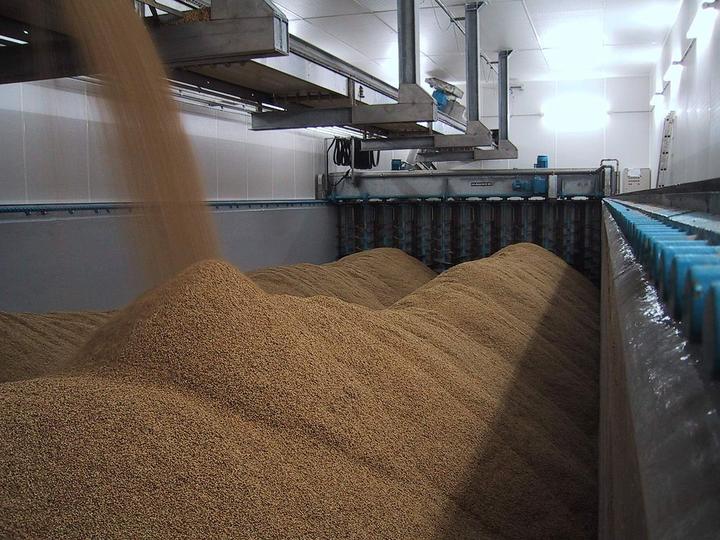
Maltings produce ready to use malted barley for the whisky industry. While small inhouse maltings like those at Bowmore carry out steeping, germination and kilning seperately thse stages can be combined at scale. At industrial sites the production process can be carried out in a combination of seperate or dedicated devices such as: Dedicated conical or flat-bottomed steeping vessels Dedicated germination x Kilns Combined steeping and germination vessels (SGV) Germination and Kilning Vessels (GKV) Steeping, germination and kilning vessels (SGKV) Most modern maltings utilise entirely automated systems throughout the process. Drum maltings which replaced Saladin boxes are not generally used at industrial maltings.
Locations of the malthouses in Scotland & the UKAlfred Barnard: An Introduction
Published 22/07/2020
The following is a message from one of only two surviving decedents of the Enigma that is Alfred Barnard and considerably increases the knowledge we have of the man. What a fantastic photo of Alfred and I like the thoughts you express about him. It has cleared up an old mystery of the unidentified gentleman in the photos, which I have scanned into this e-mail. These are with my Grandfather Harold Barnard and Grandmother Cecile Perrier taken we think at the Perrier family home in South Norwood in 1904/1905 around the time of their marriage.
Alfred Barnard: Further Information
Published 22/07/2020
“We got a little amusement out of our fellow travellers—one of them a gentleman in clerical attire, catching some fragments of our conversation on spirits, evidently mistook us for important officers of the Salvation Army. Seeing this we puzzled him, and in answer to his enquiries, informed him that we had just started on a long and tedious pilgrimage to the spirit land, and that ours was a mission of investigation into the creation, development and perfection of crude spirits into “spirits made perfect.” One of our party here produced his flask and explained to our reverend friend what kind of missionaries we were, when, to our surprise after taking a “wee drappie,” and like Oliver Twist, asking for more, the pious-looking brother offered to join us in our excursions, that he might do the tasting, and we the writing. This generous offer we declined.”
Scotch Malt Whisky Society Spirit Codes
Published 22/07/2020
In recent years the SMWS has been branching into spirits other than whisky, the below codes relate to these products. Our whisky list can be found on the SMWS distillery codes page.
SMWS Codes %currentYear%: Scotch Malt Whisky Society Distillery Bottle Codes
Published 22/07/2020
What is the Scotch Malt Whisky Society (SMWS)? The Scotch Malt Whisky Society (SMWS) is the largest whisky club and independant bottler in the world, founded in Edinburgh in 1983. Its history goes back further to the 1970s, when the whisky lover Pip Hills and a group of friends began to purchase individual casks directly from the distilleries to divide them among themselves. Although single malts were a growing category at the time, single cask whiskies were a largely unknown entity. As single cask whisky spread through the Edinburgh art scene more and more people wanted to try the bottlings. The SMWS was officially founded in 1983 and now has over 26,000 members in the UK and around the world. In recent years the SWMS has been releasing other spirits such as rum, cognac etc. you can find details of these on our other SMWS spirits page
Touring a Distillery
Published 22/07/2020
Making the first pilgrimage to a distillery is always an exciting time, from a polished tour like the Glenfiddich, to the tiny farm distillery or the the ‘fading siberian tractor collective’ that is Ben Nevis, every distillery has something unique to offer. Plan Ahead I’ll start by flagging that I’ve done multiple tours of a lot of distilleries and the quality of the experience depends massively on who does the tour. 90-95% of distillery tours are given by part time, seasonal staff who don’t really know their subject matter, and they primarily cater towards barely interested visitors on ‘visit Scotland tours’. The best, and worst tour I’ve ever taken were both at the same distillery which will remain nameless.