

Whisky Fundamentals
Phenols
Published 14/09/2023
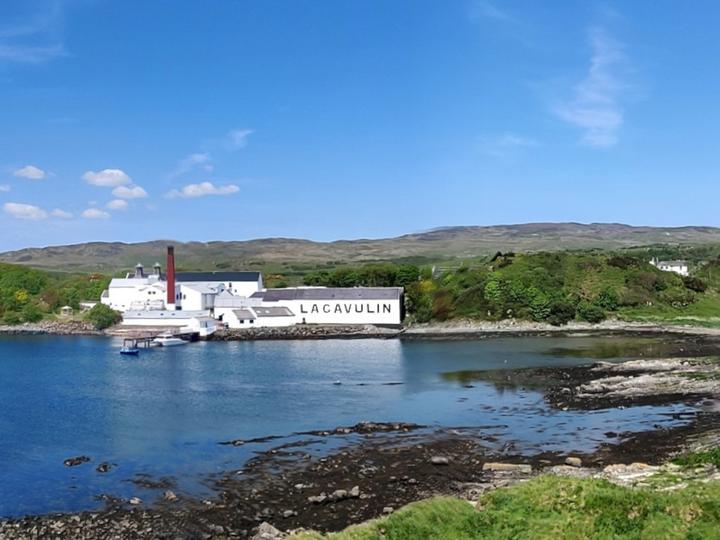
What are phenols? Phenols are chemical compounds that are of great importance for flavoring and flavor enhancement in the whisky industry, more commonly known as peat. Phenols are given on a technical scale in parts per million (PPM). This is a millionth unit that is also used in technical devices such as smoke extraction systems to check the air quality. These substances are important flavor carriers in the whisky industry, in particular distilleries from the Island of Islay and the Scottish Highlands known for their intense smoke note.
Phenols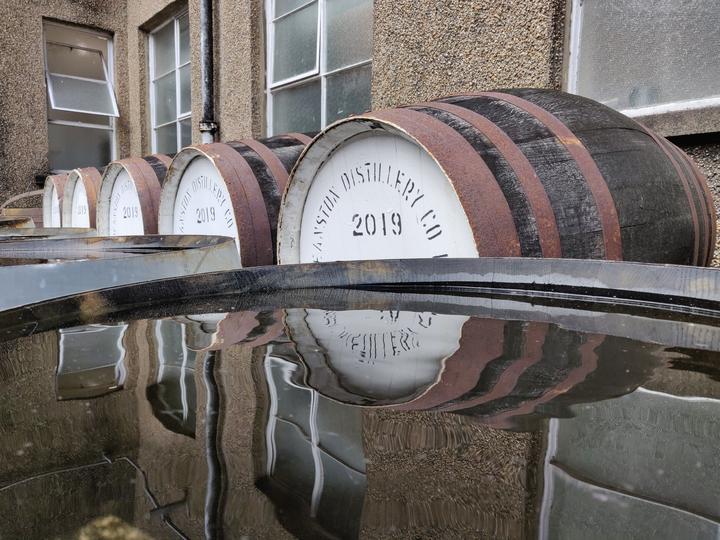
The role of water in whisky
Published 14/09/2023
Water plays several important roles in the production of whisky. Firstly, water is used to clean and prepare the grains used to make the whisky. Second, it is mixed with the mashed grains to extract the sugars that will be fermented to create alcohol. Finally, water is used to reduce the alcohol content of the whisky to its desired strength. Additionally, water can help to bring out the flavours and aromas of the whisky when it is diluted before drinking.
The role of water in whisky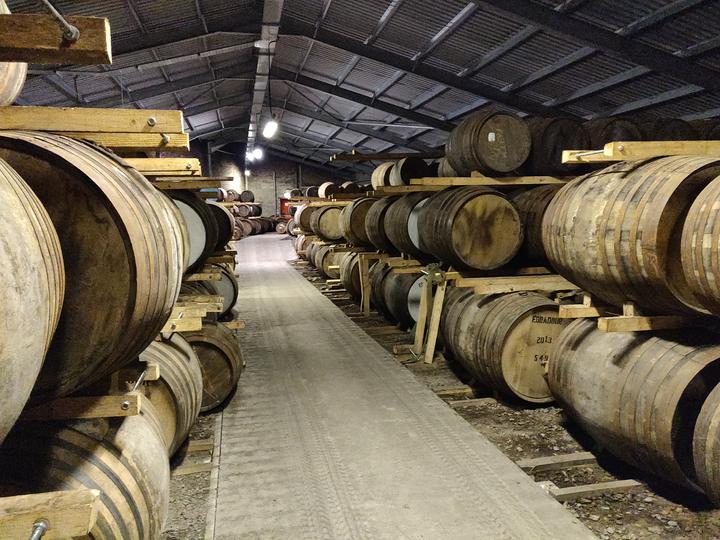
The types of wood used in the whisky inudustry
Published 12/09/2023
The art of whisky production leverages a rich variety of wood types and cask histories to craft spirits with unique and complex flavor profiles. While oak remains a staple in the industry, distillers around the world are increasingly experimenting with alternative woods such as chestnut, maple, acacia, mizunara and cherry to infuse their whiskies with distinctive notes and aromas. In general these are used for finishing spirit already matured in oak casks, but full maturation examples of the same do exist more commonly coming from independant bottlers.
The types of wood used in the whisky inudustry
Climate Change and Whisky: A Sobering Reality
Published 14/08/2023
Climate change is not just a global crisis; it’s a crisis that affects even the most cherished aspects of our lives, including the production of whisky. From the barley fields to the distilleries, the implications of climate change on whisky are profound and far-reaching. The Impact on Barley and Grain According to a study published in the journal Nature, climate change is affecting barley yields. While increased temperatures across the UK mean barley crops may remain steady or even rise, some regions, including south-west Scotland, have seen a reduction due to soil saturation. Rising temperatures may also damage the UK’s wheat crop, which is often used in making grain whisky, a market worth almost £3bn a year.
Climate Change and Whisky: A Sobering Reality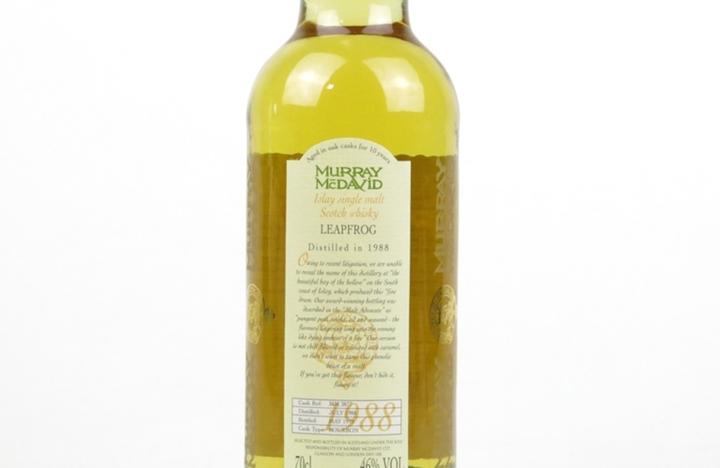
What are Teaspooned Whiskies?
Published 18/06/2023
The blend market The most commonly drunk whiskies in the world are blended whiskies, that being a combination of grain, and malt whiskies. Many of these are destined to end up in cheaper supermarket blends, others are destined for more exclusive blended products such as Johnnie Walker Blue, or will end up in offerings by smaller blenders such as Compass Box. Regardless every producer from the most premium blend down to the most entry level bottle will be seeking to maintain a signature style for each batch. Not all casks are created equal however, and depending on access the master blender may need to vary the recipes from time to time.
What are Teaspooned Whiskies?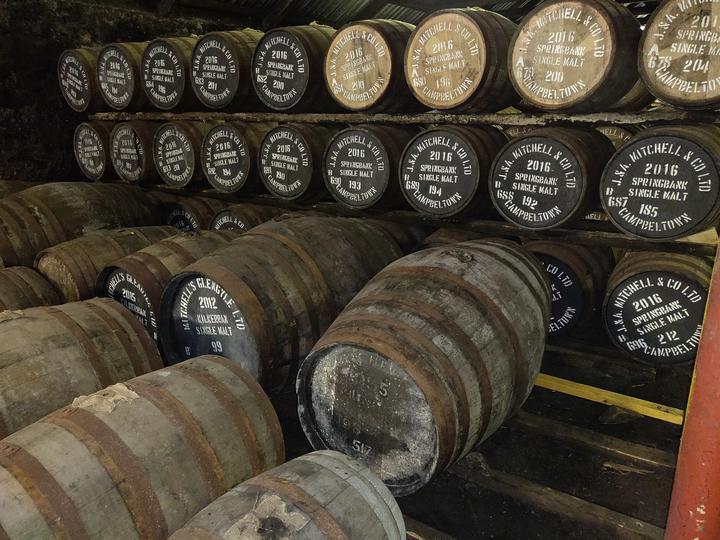
Amburana casks: The Cinnamon Roll of Whisky
Published 16/05/2023
While traditional oaks have long held sway in the realm of whisky maturation, an unexpected interloper is causing ripples in the spirits universe - the exotic amburana wood. Hailing from South America and typically employed in the maturation of cachaça, amburana wood is now finding favour among whisky distillers, to the sheer delight of whisky connoisseurs with a taste for the new and unusual. Although the use of mizunara casks and the adoption of amburana are likely to remain minimal in the broader context of whisky maturation, they represent a thrilling novelty in an industry currently captivated by cask maturation and finishing techniques.
Amburana casks: The Cinnamon Roll of Whisky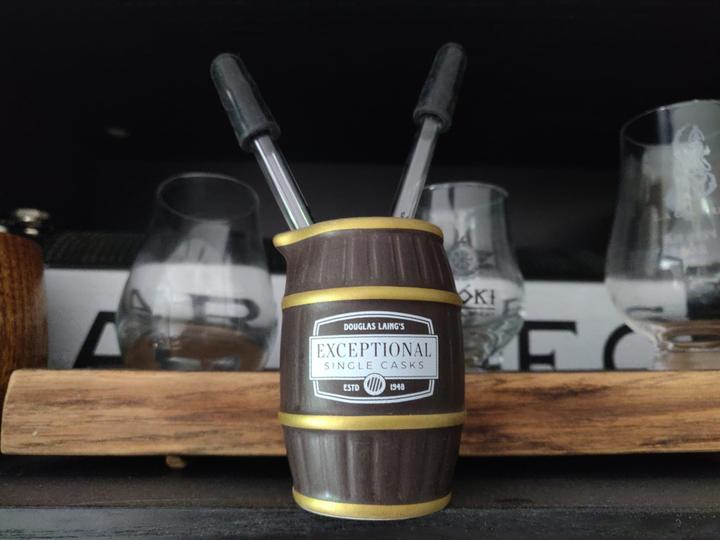
Should you swirl whisky in the glass or not?
Published 18/12/2022
What are the benefits of swirling whisky in your glass? The proponents of swirling whisky point out that whisky react with oxygen just like wine in the glass. By briefly swirling the nosing glass, the whisky comes into contact with more air more quickly, evaporation is increased for a short time and hidden aromas come to light. Brian Kinsman, the master blender at William Grant & Sons explains that “This is important because the whisky has been trapped in a cask or bottle all its life and now needs some time to unfold itself and show its true qualities”.
Should you swirl whisky in the glass or not?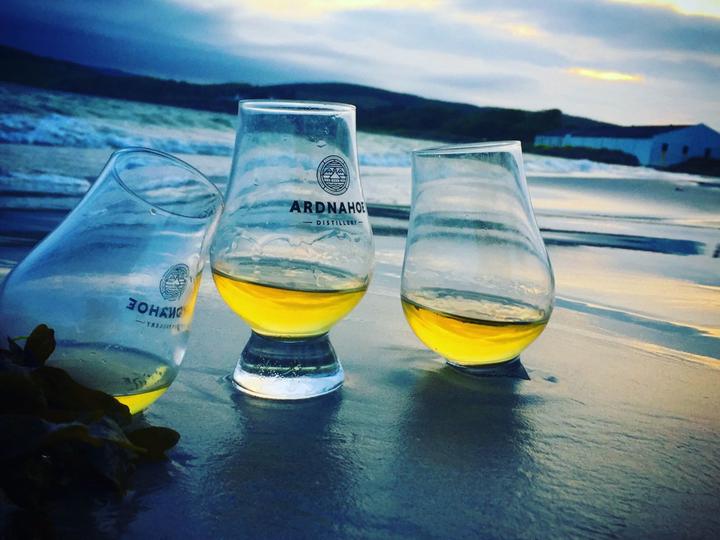
What is a Single Estate Whisky?
Published 14/12/2022
With a single estate whisky, all the raw materials come from the immediate vicinity of the distillery. The distilling grain is grown and malted in-house, the distillation takes place in our own stillhouse and the whisky is barrel matured in our own warehouses on the premises. From the field to the bottle, the motto for a single estate whisky is logical. We present the special whisky variety with its properties.
What is a Single Estate Whisky?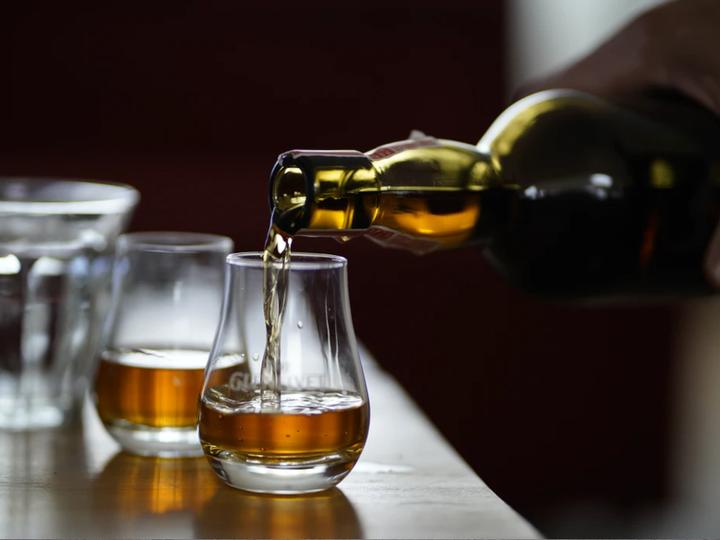
An overview & glossary of whisky flavours
Published 14/12/2022
Depending on the type and distillery, a whisky can have over hundreds of aromas. Not all of these are dominant, there are also many nuances that our senses can hardly or not at all consciously perceive. The aromas are either sourced from the ingredients, created during manufacturing or te result of the complex chemistry of maturation that whisky undergoes before bottled. Then unlike wine, which will continue to mature in the bottle whisky will remain constant in the closed bottle until opened, or accidentally exposed to the elements.
An overview & glossary of whisky flavours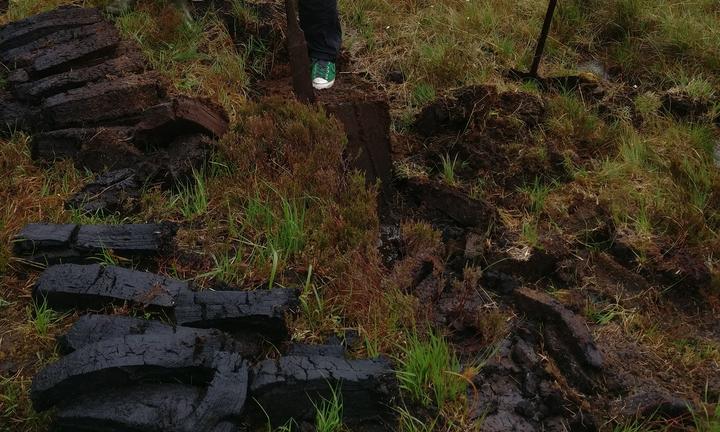
Does Whisky Have Terroir (A Sense of Place?)
Published 13/12/2022
The phrase “Like the country, like the whisky” is a popular refrain. and it can be tempting to assume that you can taste the rugged nature of the Highlands or the maritime climate of Islay in a single malt. However it’s more complicated than this because of how whisky is mass produced, leading some to challenge the very idea that whisky can really have its own terroir. We investigated this question and checked the five elements of Scottish single malts for their terroir influence. The end result may surprised you.
Does Whisky Have Terroir (A Sense of Place?)