

Whisky Fundamentals
Tasting whisky
Published 06/12/2022
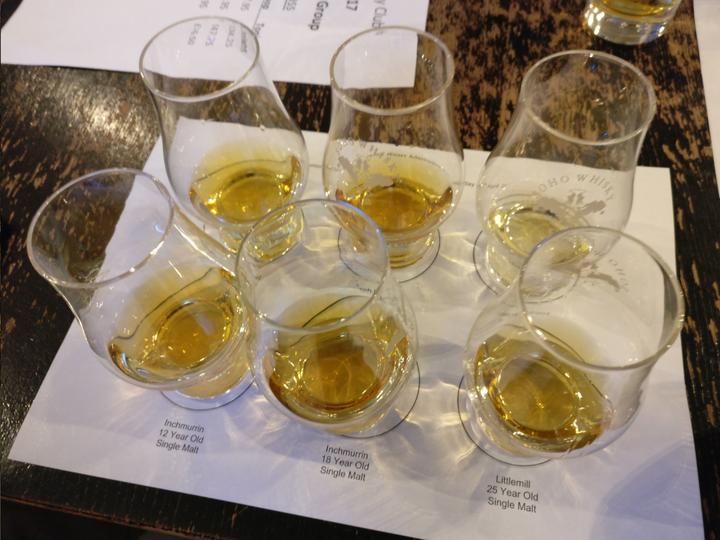
The flavour of a whisy is derived in principle from three places, the raw materials used, the production process, and from cask maturation. In addition to these it’s worth also talking about blending, and subsequent processes such as chill filtration, and the addition of spirit caramel. It is also important to remember that tasting whisky is a personal experience and everyone may have different opinions about a particular whisky’s flavor and quality. As you gain more experience tasting whisky, you will develop your own preferences and tastes.
Tasting whisky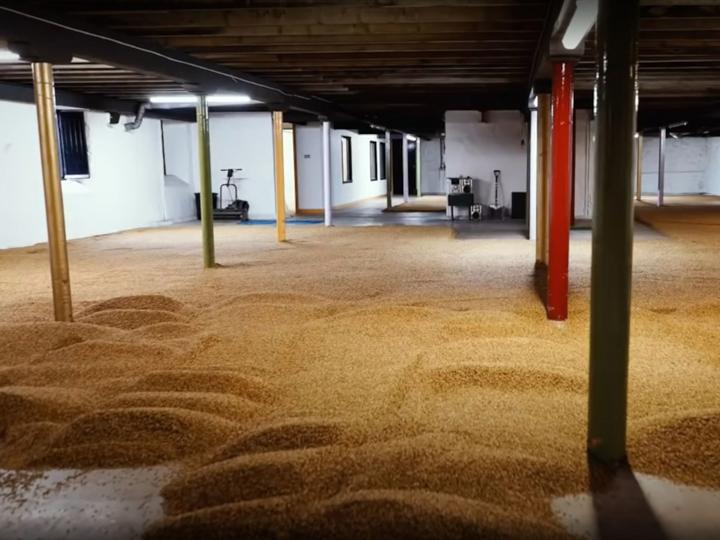
Why are single malts distilled from malted barley?
Published 02/12/2022
The preferred use of barley (malted barley) for whisky production in Scotland has historical reasons above all. Hardy barley was best grown in the Scottish climate, which is why it was the most widespread crop from the Lowlands to the Highlands to the Islands in the past. In addition, barley offers the advantage that it can be germinated relatively easily and thus malted. Whisky distilled from malted barley has shaped the taste of Scotland’s national spirit for centuries. Today, the scotch whisky regulations stipulate that malt whisky may only be distilled from malted barley. Scotch whisky, on the other hand, can also be distilled from numerous other grains such as oats, corn or wheat. These so-called grain whiskies are mainly used in blended whiskies but are sometimes sold as single grain.
Why are single malts distilled from malted barley?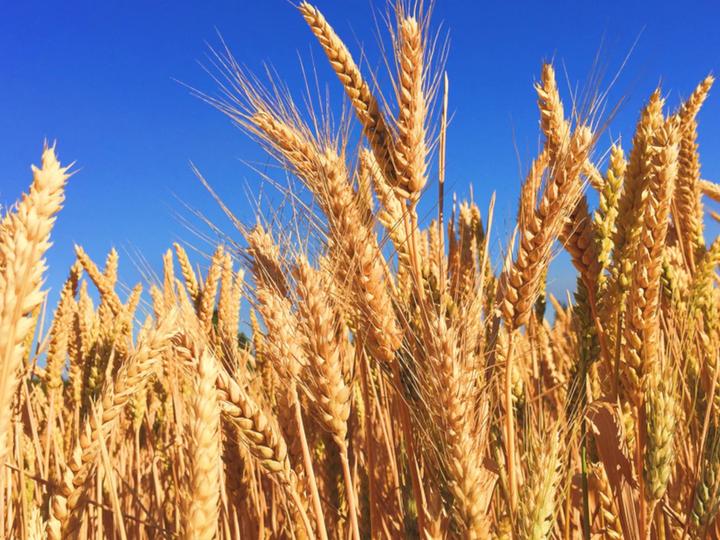
Organic whisky
Published 10/11/2022
One of the latest trends among spirits, and therefore also among whiskies, is the advancement of the organic movement. Organic wines have been on the rise so it was likely only a matter of time before this was observed in the whisky industry as well. Although the Scotch Whisky Association (SWA) has formulated its own sustainability goals, and a number of distilleries have started to make environmental improvements the introduction of organic whisky is not part of this trend. The advancement of organic whisky has instead been to satisfy a consumer gap.
Organic whisky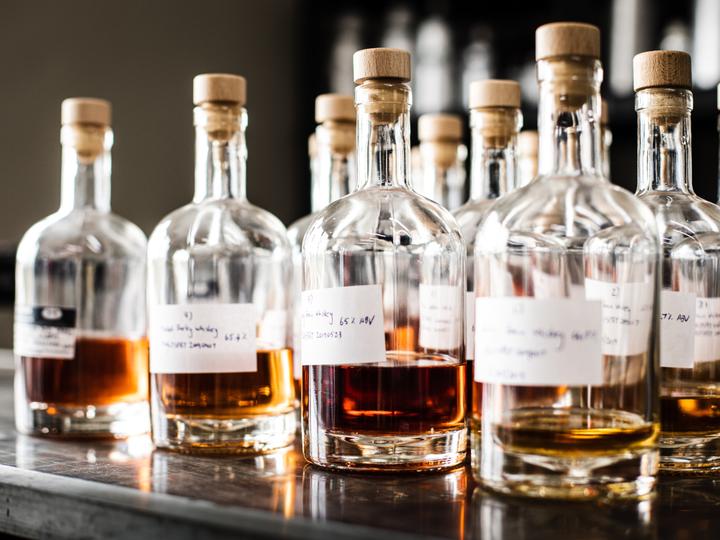
What is new make?
Published 02/11/2022
Scotch and Irish whisky must be legally matured for three years and one day before being bottled and sold as whisky. Prior to this period of mandatory maturation the spirit cannot be sold as whisky. While the requirements in other countries generally differ for their products to be sold within Europe as whisky these need to meet this minimum period. This period initially started off as only 2 years being enforced bu the UK Immature Spirits (Restriction) Act of May 19, 1915 but was subsequently increased.
What is new make?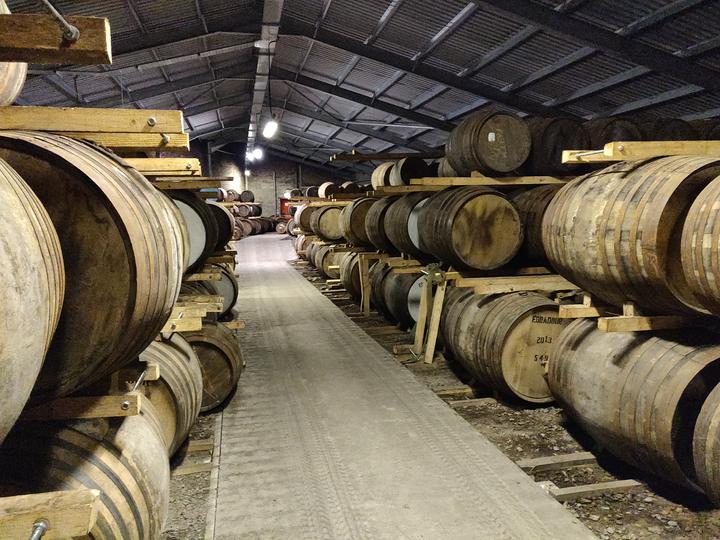
What is a Pedro Ximénez cask?
Published 02/10/2022
While this article will explain the tradition and flavour imparted by a PX cask here at Whiskipedia we believe it’s important to understand that the PX casks used by the whisky are neither bonded transport casks used to hold PX sherry, nor are they the Solera casks. These are specially seasoned casks produced for use in the whisky industry. You can learn more on our article the truth about sherry casks?. What is Pedro Ximénez? Pedro Ximénez is a type of grape that is commonly used in the production of fortified wines, such as sherry. The grape is thought to have originated in the region of Andalusia in southern Spain, where it has been grown and used in the production of wine for many centuries. Genetic testing suggests that the grape is a decendant of the Gibi grape, which originated in the Arab world. Today, Pedro Ximénez is grown in a number of wine-producing regions around the world, and is highly valued for its rich, sweet flavor and its ability to produce high-quality fortified wines. The sweet and creamy Pedro Ximénez sherry is made from the grapes. Next to Palomino, Pedro-Ximénez is the most important grape variety for the production of sherry.
What is a Pedro Ximénez cask?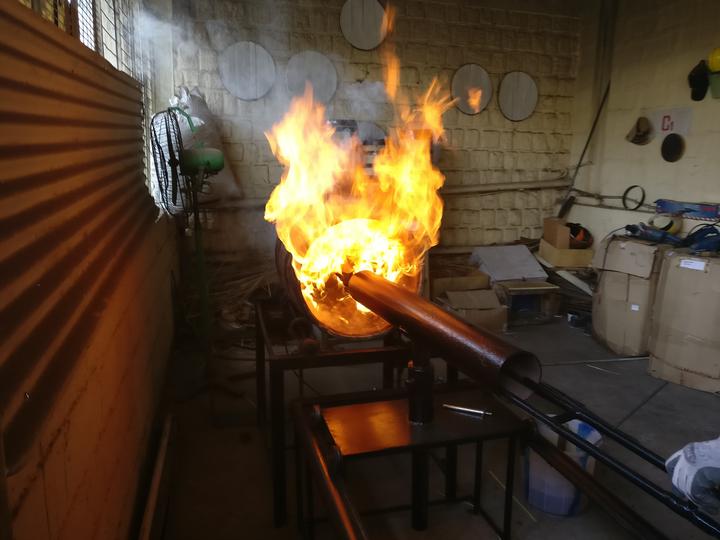
Whisky Barrel Char Level
Published 02/10/2022
American oak casks are toasted and charred before being used to mature Bourbon whiskey. Toasting not only breaks down the structure of the oak and allows the spirit to penetrate more easily, but also creates new flavour compounds. This is due to the structure of the wood itself. Oak is made up of cellulose, hemicellulose and lignin. The former gives the oak its strength, the other two begin to break down when heated, forming flavour compounds that are soluble in ethanol and impart desirable aromas to wines and spirits. The process is also used to create STR casks.
Whisky Barrel Char Level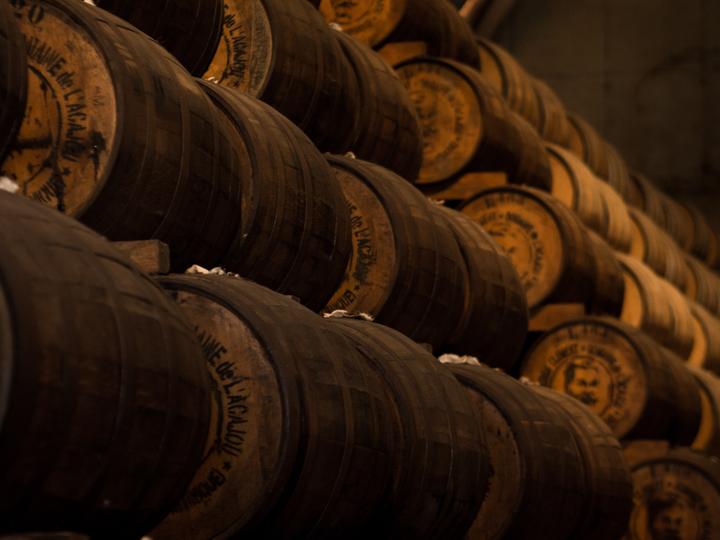
What is the solera system?
Published 25/08/2022
The solera system is a method of aging and blending liquids, such as wine, beer, and spirits. It involves the continuous blending of older and younger batches of the liquid, resulting in a consistent flavor profile from one batch to the next. The solera system is commonly used in the production of sherry, port, and other fortified wines. The oldest part of the blend, known as the “solera,” is kept in barrels, and each time a portion of the liquid is removed for bottling, it is replaced with an equal amount of younger liquid from the next oldest barrel. This process continues until the youngest barrel is used to replace the liquid in the solera, starting the cycle anew. Despite constant reference to this system within the whisky world it is important to understand that these solera casks are not used for whisky maturation. By law, sherry must reach an average age of two years before it can be sold though most are far older than this.
What is the solera system?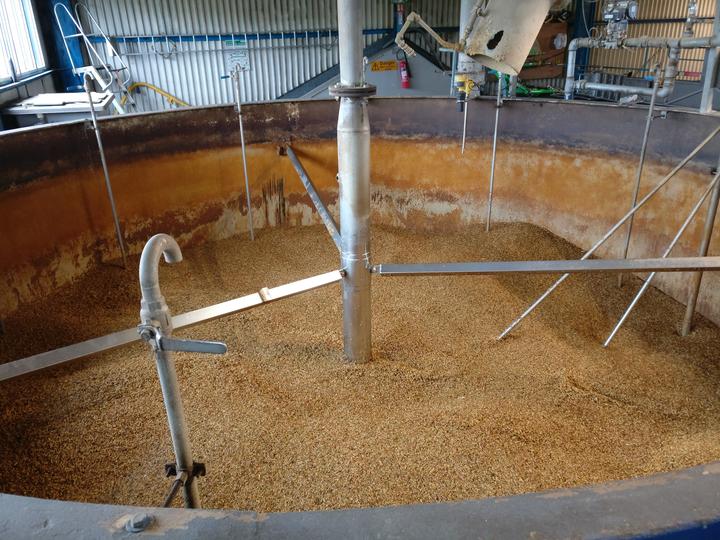
What is a Mash Bill?
Published 22/08/2022
The mash bill of a whisky is the grain combination used when making multigrain spirits such as bourbons. Unlike single malt these do not consist of a single grain, but are instead produced using a mixture of different grains such as corn, rye, wheat and barley If you’re a Scotch Single Malt fan, you won’t come across the term mash bill or grain recipe. The raw material on which this spirit is malted barley. Talking about a grain recipe here makes as much sense as saying “Warning, hot” on a coffee mug. It goes without saying, it is unnecessary.
What is a Mash Bill?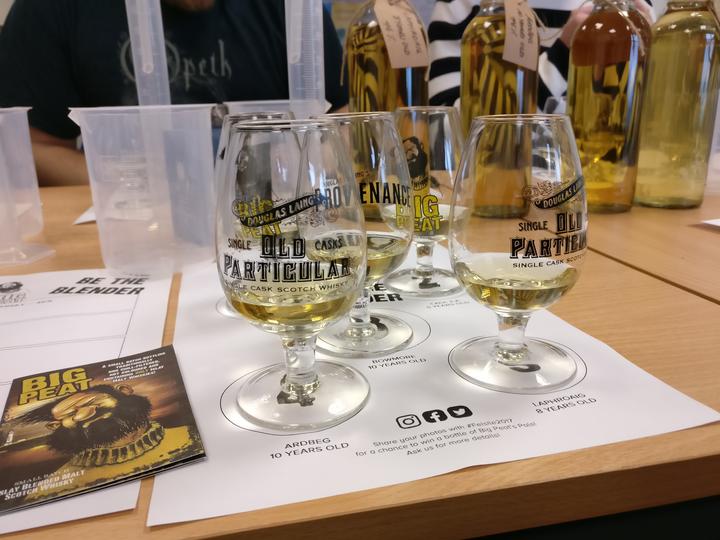
What do the streaks in a nosing glass mean?
Published 12/07/2022
Streaks in the glass: a sign of quality? We are familiar with the picture of wine and whisky tastings: those who consider themselves to be tastings experts wave their glasses and then examine the streaks forming on the inner glass walls with a critical eye (sometimes called “church windows”, “legs” or “tears”). We are constantly told that these allow us to draw conclusions about the composition or even the quality of the liquid. However what the streaks really tell us about the contents of the glass while interesting is quite limited. For the long answer you have to go back a little further…
What do the streaks in a nosing glass mean?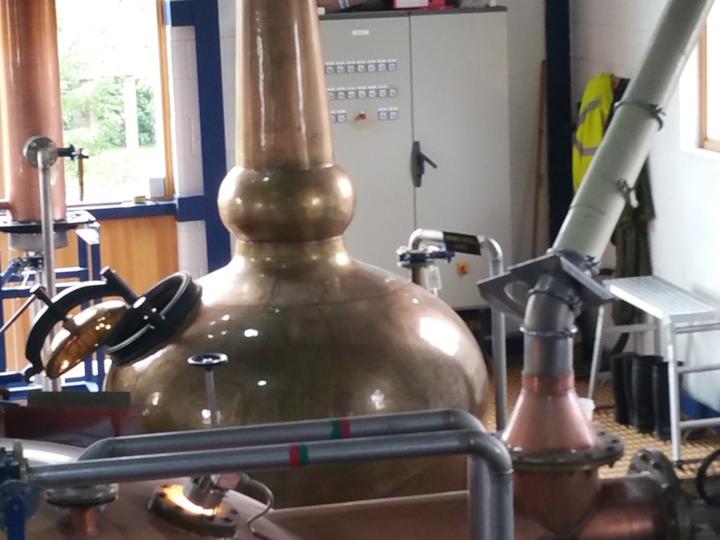
What is an ogee?
Published 12/07/2022
An ogee is the name sometimes given to the a bulge (or boil ball) on the upper part of a pot still. While this usage is not the most accurate it does serve exactly the same purpose as a reflux ball. An ogee as defined by Forsyths of Rothes refers to the ‘S’ shape or double bend of a still. The presence of an ogee on a pot still increases the amount of reflux in much the same way a taller still, or an upward slanting line arm does. By forcing the recondensing spirit to drop back into the still and be redistilled a lighter and cleaner spirit is created.
What is an ogee?