

Whisky Fundamentals
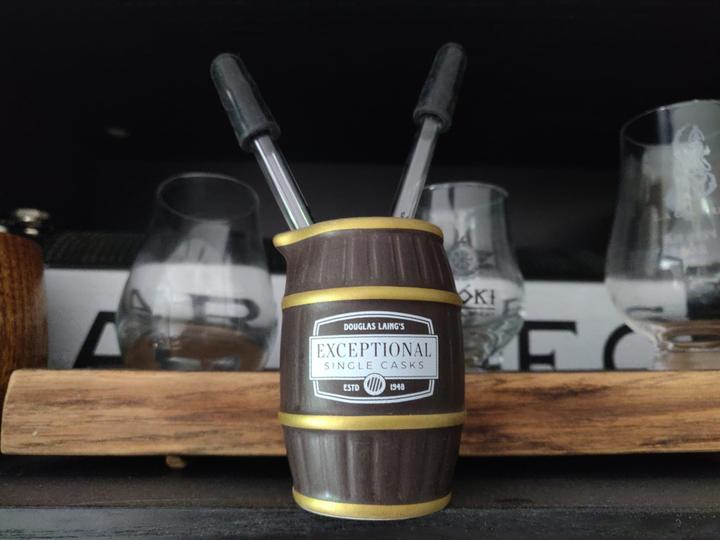
Whisky pipettes
Published 26/10/2021
Whisky can benefit from being slightly diluted with water when tasting: the whisky is “unlocked” and the aromas can be better perceived. A whisky pipette enables the exact dosing of the water into the glasses and is an popular accessory for connoisseurs. For those not willing to part with a couple of quid for a pipette a water jug and teaspoon are an excellent fallback, though there’s no denying whisky aater sropper shaped like pot stills, angel or thistles are pretty stylish!
Whisky pipettes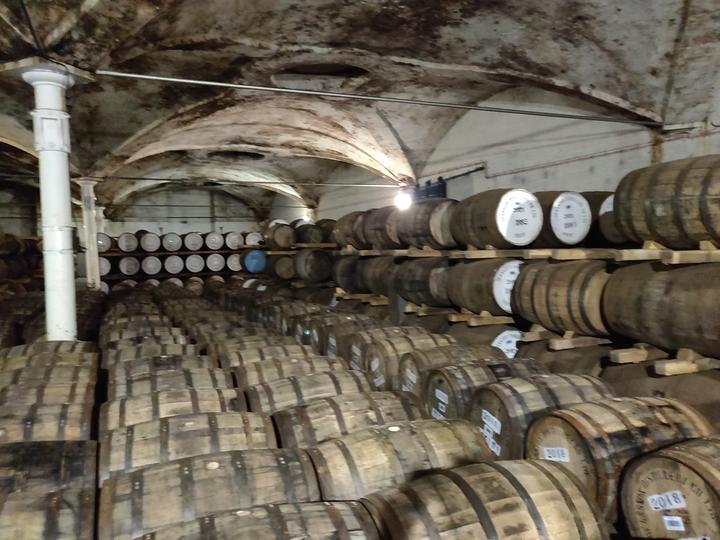
Understanding esters in whisky
Published 18/10/2021
Esters form a group of organic compounds that are formed primarily during the fermentation process as a reaction of oxygen, acid and an alcohol with the elimination of water (a condensation reaction). Many ester compounds in alcohol result in fruity aromas. To understand esters take as an example the tasting notes for two whiskies Note one - Tropical fruits like pineapple, papaya and banana, with a hint of coconut and a little glue Note two Fruity, with dark, ripe fruits like blackberries, plums, cherries and raisins pickled in rum, accompanied by cinnamon and star anise These distinctly different tasting notes are based on whiskies created using the exact same ingredients - water, barley and yeast. Yet these fruity properties are more the rule than the exception, because many whiskeys have a more or less pronounced fruitiness. Fruity notes are among the easiest smells and most recognised flavours used to describing a whiskey in a sensory way. Their source, the humble ester one of the congeners
Understanding esters in whisky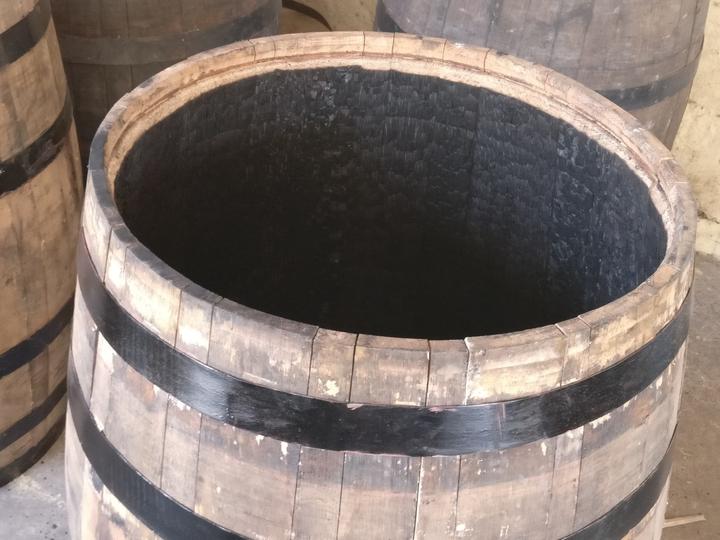
Cask filling strength
Published 14/10/2021
For those curious whisky fans who’ve toured more than a siogle distillery a common number starts to emerge found at virtually all of them 63.5% alcohol. 63.5% is the cask filling abv with which new make spirit is filled into barrels for maturation not to be confused with cask strength. An explanation for this crooked number remains elusive however and no tour guide we’ve spoken to has as yet been able to explain this Is there a scientific basis we’ve been unable to glean? Do all distilleries adhere to this or are there any deviations? We did some research and spoke to some industry experts to learn more.
Cask filling strength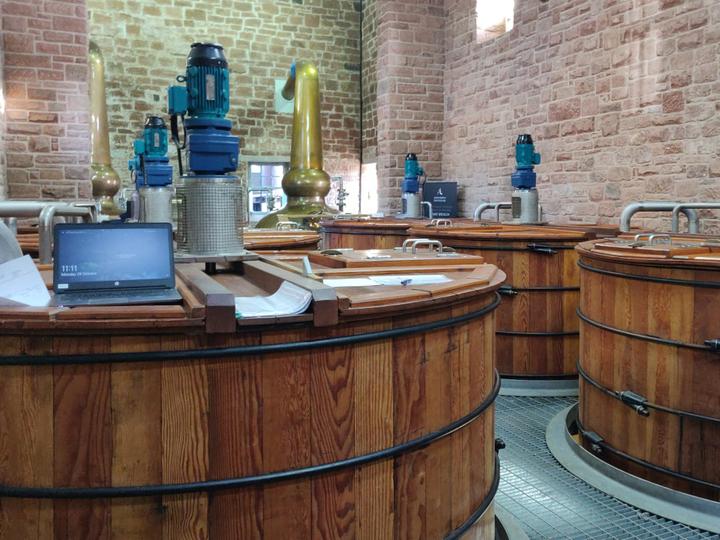
Fermentation
Published 11/10/2021
The part of whisky production in which sugar is converted into ethanol is called fermentation (Latin fermentum = fermentation). After mashing, the wort is typically cooled to 16-19 ° C and the culture yeasts preferred by most distilleries are added in huge fermentation vats - the washbacks. Yeasts the largest group of fungi with over 20,000 species. The yeast fungus Saccharomyces cerevisiae has been used for thousands of years for baking, brewing beer and for making wine and spirits. Yeasts consist of only one single cell. It is their destiny to multiply: and for that they need energy.
Fermentation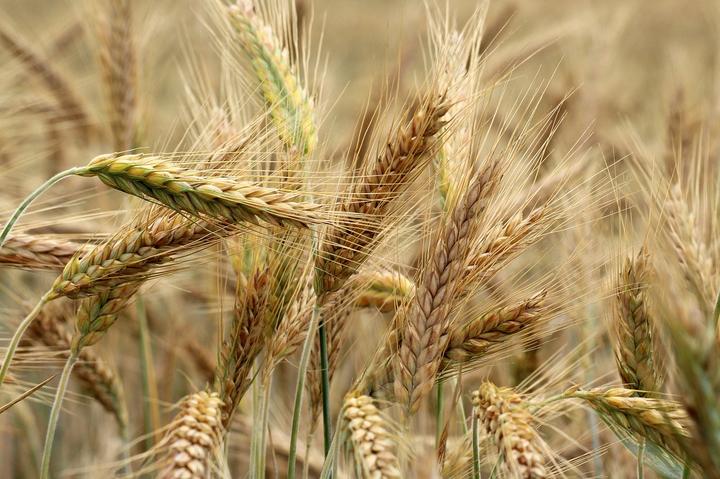
How starch becomes sugar
Published 07/10/2021
Starch is a widespread organic product in the plant world and is present in barley at around 60%. Starch is a long-chain polymer of glucose molecules joined together to store the glucose made by photosynthesis. To begin the fermentation process and make alcohol however the starch must be broken down into fermentable sugars. Starch contains around 20-30% amylose and 70-80% amylopectin. Amylose consists of hundreds to thousands (approx. 200-5,000) glucose units linked together, is in long chains and forms a spiral structure. Amylopectin, on the other hand, consists of large, highly branched sugar molecules, of which about every 25th sugar has a branching sugar side chain.
How starch becomes sugar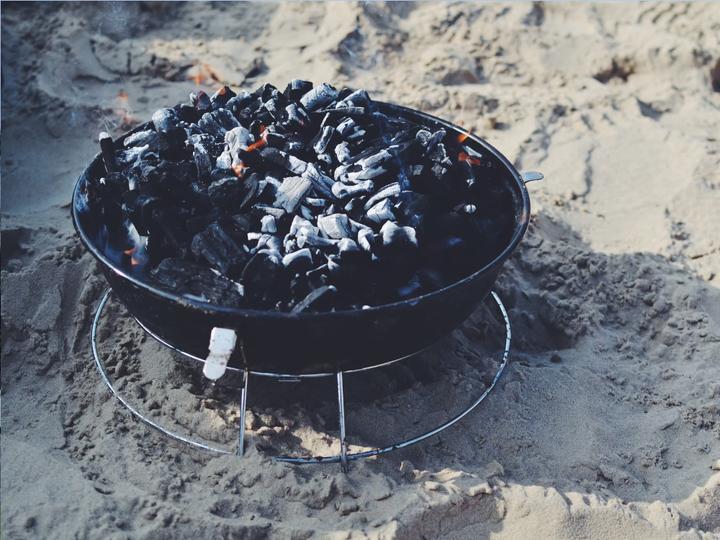
Charcoal mellowing (or the Lincoln County process)
Published 05/10/2021
Probably the most popular and best-selling American whiskey in the world is made according to the prescribed law in the classic way as bourbon. However, the fresh distillate, White Dog to the Americans and New Make to the Scots, undergoes an additional filtration step before it can mature into Jack Daniel’s in charred virgin oak casks. Who invented charcoal mellowing Alfred Eaton is generally credited with inventing the charcoal mellowing process in 1825, commonly called the Lincoln County Process “named after the county in which the original Jack Daniel’s distillery was located”. Most sources dispute this however as the process previously called charcoal leaching has been used as a process for thouasands of years and was part of how Nathan ‘Nearest’ Green taught Jack Daniel to make whiskey.
Charcoal mellowing (or the Lincoln County process)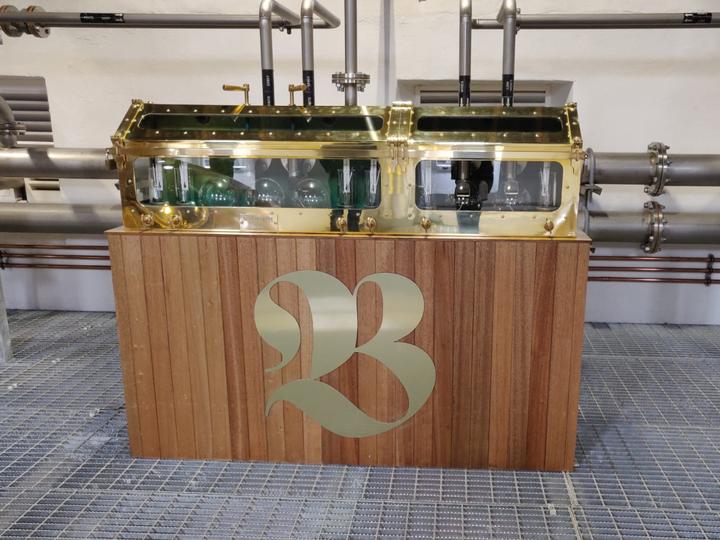
The spirit safe
Published 03/10/2021
In almost every single Scottish whisky distillery there is a spirit safe through which every drop of new make flows. The spirit safe is an eye catching polished brass case with glass panes designed for two purposes: To allow the distillery to analyse and control the flow of the new make To keep track of the volumes of whisky made for tax purposes Prior to 1983 only one key existed to release the padlock on the side of the safe, held by the local Customs and Excise officer. The excise man was tasked with measuring how much spirit was produced. Since 1983 the keys are now held by the distillery manager, and Customs and Excise ensure compliance by analysing and comparing expected alcohol production based on grain.
The spirit safe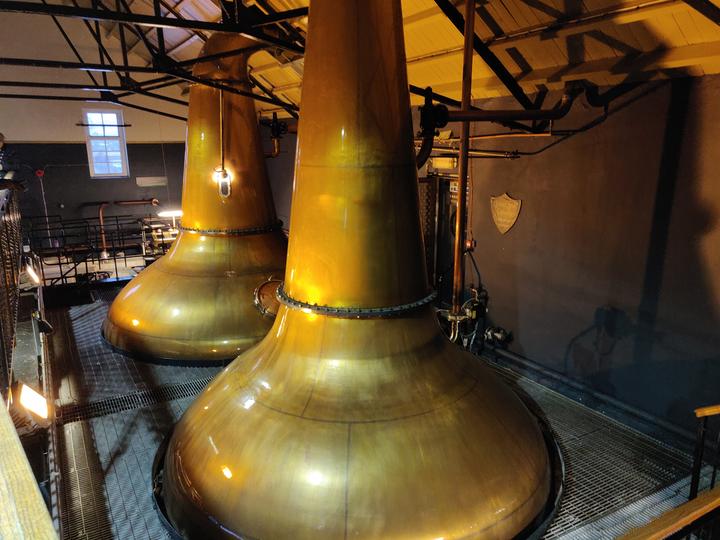
The role of copper in spirit production
Published 22/09/2021
Elemental copper has unique properties making it ideally suited for the production of whisky. The metal is both soft and malleable but extremely tough. It is also an excellent conductor of heat. For these reason the earliest illicit whisky makers made use of it very early on. Copper has a lot more to offer however as it has a significant influence on the character of the new make spirit. Copper The chemical element copper (lat.cuprum) has the symbol Cu on the periodic table and is found at the top of Group 11 above silver and gold. Group 11 known as Transition Metals. The coinage metals, copper, silver, and gold, have held great importance in societies throughout history, both symbolically and practically. Copper was first used by man over 10,000 years ago and a copper pendant discovered in northern Iraq has been dated about 8700 B.C. Copper is one of the oldest metals known to man. The extraction of solid, i.e. pure copper from its ores was made more than 7,000 years ago. The heavy metal counts together with gold, silver, lead, iron, mercury and tin to foundational metals of antiquity. North and South Americaare the largest copper producers in the world today. One of the most important properties of the material Copper is the very good electrical conductivity.
The role of copper in spirit production
How is slainte pronunced?
Published 15/09/2021
In both Irish and gaelic sláinte is pronounced Slahn-che and means health. Sláinte is infact a short form of Slàinte mhath (Scottish) or Slàinte mhaith (Irish) and pronounced as Slahn-che ‘va. Sláinte or Sláinte Mhath is commonly used as a drinking toast in Scotland and Ireland. As pronunciations vary from region to region it’s not uncommon to hear people say slange or slange Var when they clink their glasses. Spelling variations also abound.
How is slainte pronunced?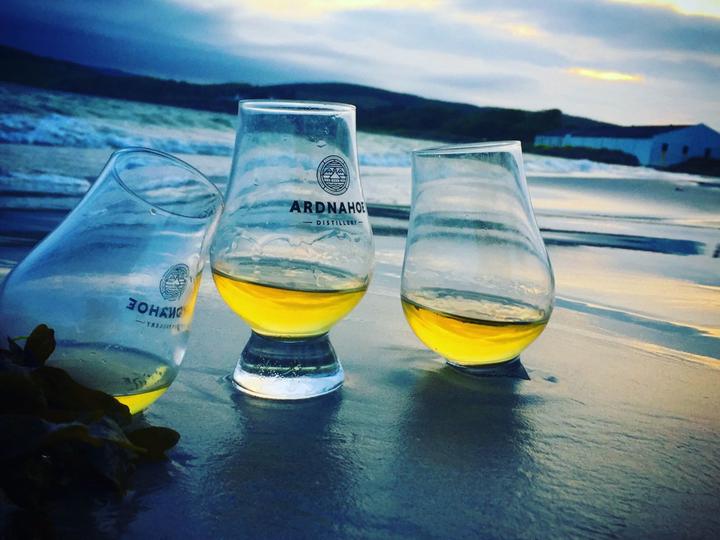
Are all Whiskies Kosher?
Published 09/09/2021
Simply put no, not all whiskies are kosher, however pinning down exactly which whiskies are allowed under the Jewish dietary laws (Kashrut derived from the Hebrew root Kaf-Shin-Reish, meaning fit, proper or correct) can be difficult as it depends heavily on how this is defined. Some whiskies are produced under rabbinic supervision, others are merely recommended and others are not. The issue arises not during the brewing or distillation of the spirit but rather during the maturation or blending process where the whisky is introduced to barrels which previously contained drinks made using grapes and the interpretation of kashrut.
Are all Whiskies Kosher?