

Whisky Fundamentals
Almost all whiskies are all blends (or vatted)
Published 14/07/2021
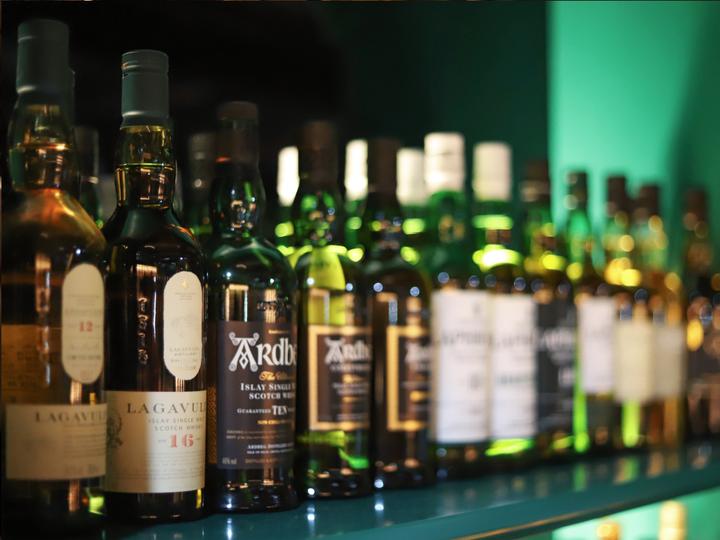
A standard distillery expression is actually the result of blending, or to use the proper term vatting. The industry legally recognises a blend as the mixing of liquid from more than one distillery. Vattings at a single distillery are still called single malt! Vatting is the process of combining multiple barrels of whisky together in order to achieve a consistent flavour. All whiskies unless these are explicitly single cask (and even then on occasion*) are the result of vatting. The words vatting and blending were traditionally used synonymously however for reasons we’ll discuss in this article they are differentiated by the source of their casks.
Almost all whiskies are all blends (or vatted)
Peat & whisky
Published 14/07/2021
Peated whisky is a divisive area, and one of the most challenging concepts for many first time drinkers, but for a huge number of whisky fans peat is the stuff dreams are made of. Put simply peat is the top layer of a bog, which consists primarily of decaying plant fibers, the peat is harvested in fields and can be cut into blocks with a shovel. Peat is an ideal fuel and has therefore been used for centuries to heat and dry the barley for whisky production. Peat was generally used where there were no trees, coal or other sources of heat. Today peat is very deliberately used to produce particularly smoky single malts, and on occasion grains.
Peat & whisky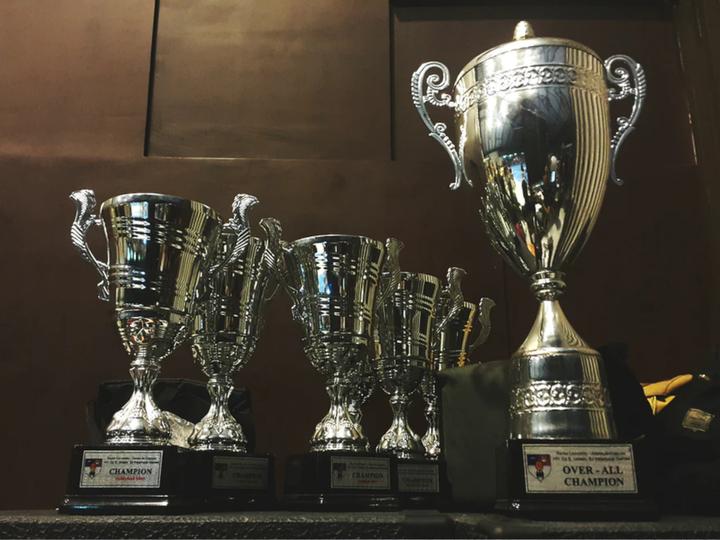
The Truth About Whisky Awards
Published 14/07/2021
Every now and again the newspapers run headlines like: The Scotsman - Scotch Whisky Masters 2021: Top winners include The Sassenach, £15 Lidl blend and 25 year old Bunnahabhain The Independent – Lidl whisky costing £13.49 named one of the best in the world The Metro – Four of Aldi’s whiskies have been named among the best in the world Forbes – Inexpensive Whiskies From Supermarket Aldi Win Gold at 2018 Scotch Whisky Masters As exciting as these headlines sound you will almost certainly not be surprised to learn that that £15 whisky is not actually the best in the world. There is no universally agreed best whisky in the world. At best these articles misleading clickbait from a journalist desperate for pageviews, and at worst downright dishonest. In every instance these articles arise as a combination of the uncomfortably interplay of :
The Truth About Whisky Awards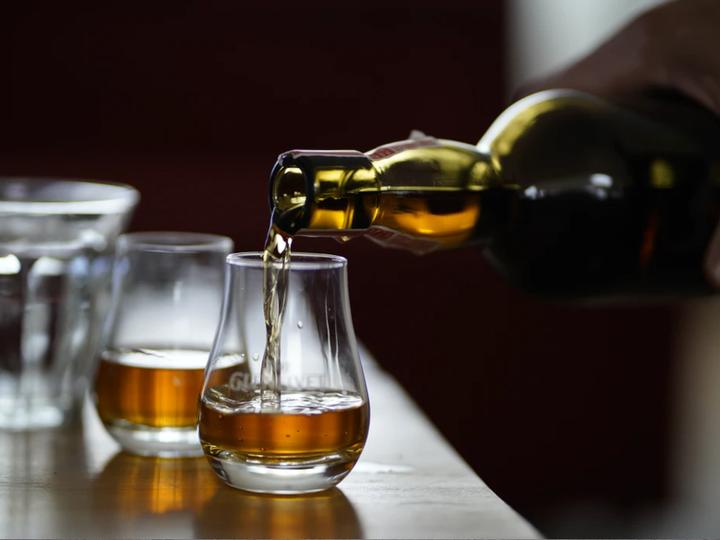
What is a whisky neck pour
Published 10/07/2021
The concept of oxidisation Unlike wine which can continues to mature within a bottle* whisky maturation is entirely cask based meaning that no further maturation will take place once a whisky is bottled. This does not mean however that a whisky will remain the same indefinately even if properly stored. Once opened the effect of additive and reductive oxidisation may improve a whisky for a time, though will ultimately destroy a whisky to such a degree that oxidisation must be guarded against.
What is a whisky neck pour
The languages of Scotland
Published 09/06/2021
Officially there are three languages in Scotland: English, Scots and Gaelic. Almost all Scots speak standard English these days, which is the official and educational language and, as in other countries, is regionally colored with different accents and dialects. English This so-called “Scottish English” does not diverge much in vocabulary and sentence melody from “Oxford English”, but is often difficult to understand in everyday use due to the mixture with Scots for visitors. The boundaries between “Scottish English” and Scots are fluid and difficult to define, even for academics.
The languages of Scotland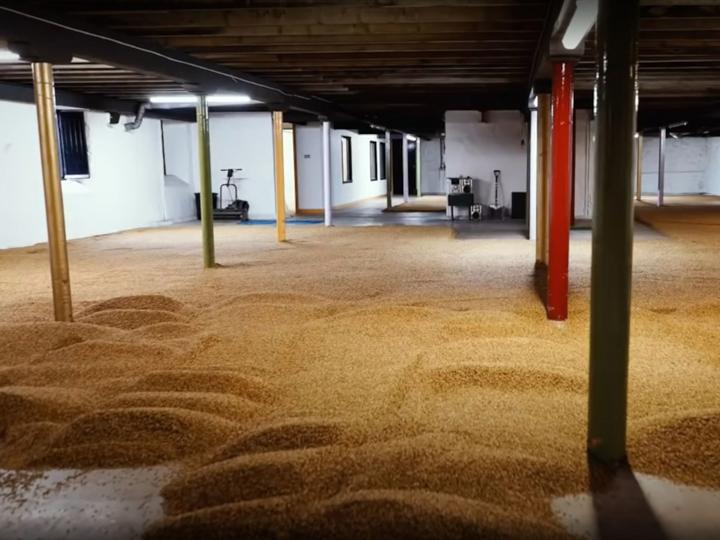
What is high diastic power?
Published 11/05/2021
Diastatic Power (DP) is an important quality trait for malt used in adjunct brewing and distilling. For single malt production the DP of barley is more than sufficient to be used unaided, the same is not true for all other grains such as rye or wheat. For this reason US producers looking to make pure rye whiskies rely on the use of commercial enzymes. In other countries such as Scotland where the use of additive enzymes is not allowed, or more traditional producers a volume of high dp malted barley will be used instead.
What is high diastic power?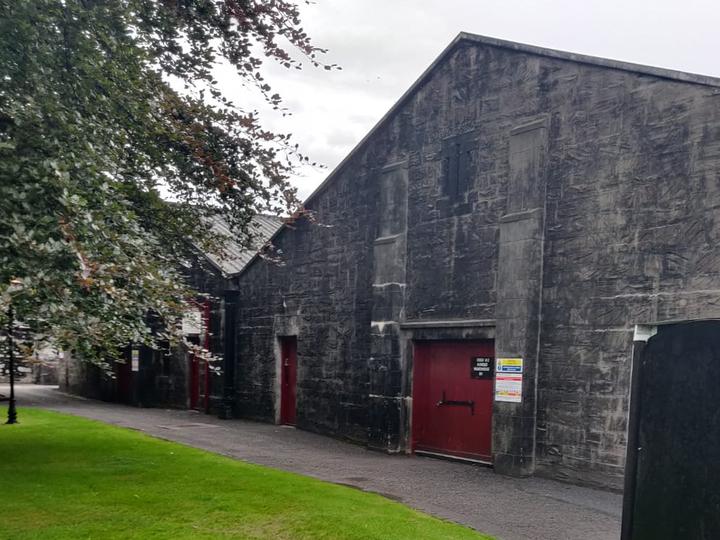
Types of Whisky Maturation Warehouses
Published 10/04/2021
The warehouse is a building, mostly attached to a distillery, in which the spirits slowly mature in oak barrels for years. In Scotland, and most of the rest of the world, the minimum period for whiskey to mature is three years in appropriate warehouses. There are three different categories of warehouses; the traditional dunnage warehouses, racked warehouses and the more modern the palletised warehouse. What is a Dunnage warehouse? A Dunnage (warehouse) is a traditional type of warehouse for maturing spirits, which is made of stone or brick these have no solid floor, are built rather low and have thick walls. The oak casks stored for whisky maturation within a Dunnage warehouse are stacked directly on top of each other, stacked to a maximum of three layers high. Dunnage warehouses often have only one floor but there are also those with two, three and more storeys in use. However even with this understanding only around 4.5% of all barrels could be stored using Dunnage warehouses in Scotland, and the number is almost certainly less. Major players such as Diageo use the majority of their distillery based dunnage warehouses only partially if at all.
Types of Whisky Maturation Warehouses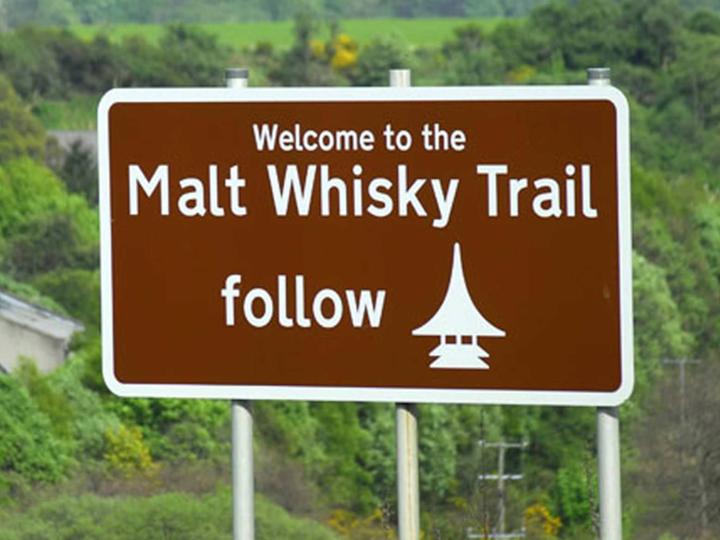
Charles Doig and the pegoda distillery roof
Published 05/04/2021
Today the pagoda roof is a recognisable symbol of Scottish whisky distilleries but it rarely serves a functional purpose as fewer and fewer distilleries dry their whisky on their own malt floors. Once upon a time though the pegoda was cutting edge technology designed by the brilliant and pragmatic architect Charles Doig. An Iconic Landmark An architectural landmark of many distilleries in Scotland are the pagoda roofs of the malt kilns. During the production process germinated barley coming from the malting floors is dried in kilns in order to halt the germination process and make the malt more durable. For this purpose, the hot air, or peat smoke generated in the kiln is passed through the barley malt spread on the drying floor. It is crucial that the germination of the introduced malt is brought to a standstill both simultaneously and evenly. If this does not succeed, some of the grain will germinate too long and thus exceed the ideal point in time at which the most favorable maltose content has formed in the grain.
Charles Doig and the pegoda distillery roof
Japanese Whisky Gets A Legal definition
Published 02/04/2021
Whisky has been officially distilled in Japan since 1923 but was largely unnoticed for most of this time. In the last few years spirits from the East, whisky in particular have been gaining global recognition, not least because the manufacturers have placed greater emphasis on marketing and the optimization of their production conditions. Such has been the success of Japanese whisky that one, the 35-year-old single malt “Karuizawa 1978”, ranks among the most expensive whiskie in the world. Another, the Suntory Kakubin, is one of the top 20 best-selling whisky brands in the world. An impressive feat when we consider Japan only started to export in any volume in 2000. Unfortunately for all this time there have been discussions within the whisky scene about how much of the Japanese whisky on the market is actually produced in Japan to such a degree that it’s become a common joke among whisky fans and some of the most instantly recognised Japanese whiskies (such as Nikka from the Barrel) aren’t technically Japanese.
Japanese Whisky Gets A Legal definition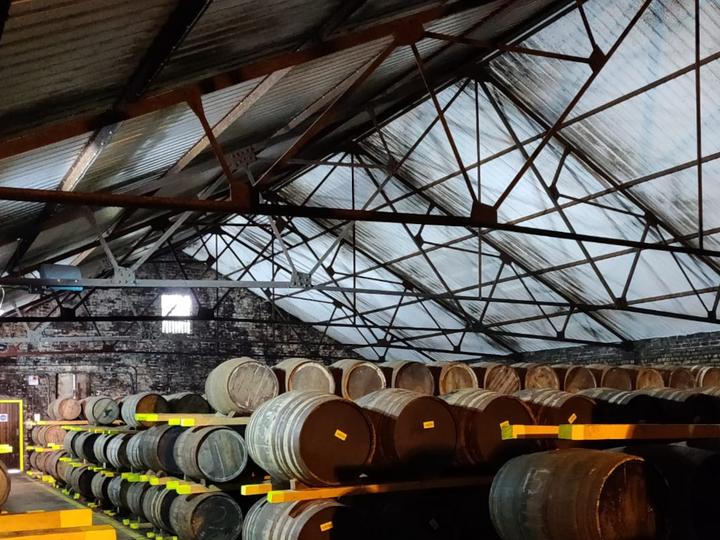
The History of Warehouse Maturation
Published 10/03/2021
The history of whisky production is closely linked to law, taxation and the attempts of distillers to avoid the latter. Taxation dates back to 1643 in Ireland and 1644 in Scotland. A state license for distilling whisky has been required in Ireland since 1661, and in Scotland since 1707. The number of illegal distilleries throughout history has far exceeded the number of legal ones. That changed in Scotland with the Act of Excise 1823. This law simplified taxation. At the same time, a minimum size of the still was set at 40 gallons (approximately 182 liters). Most of the distilleries, however, were still small farm distilleries, many with only one pot still.
The History of Warehouse Maturation