

Whisky Fundamentals
Sour Mash
Published 25/08/2021
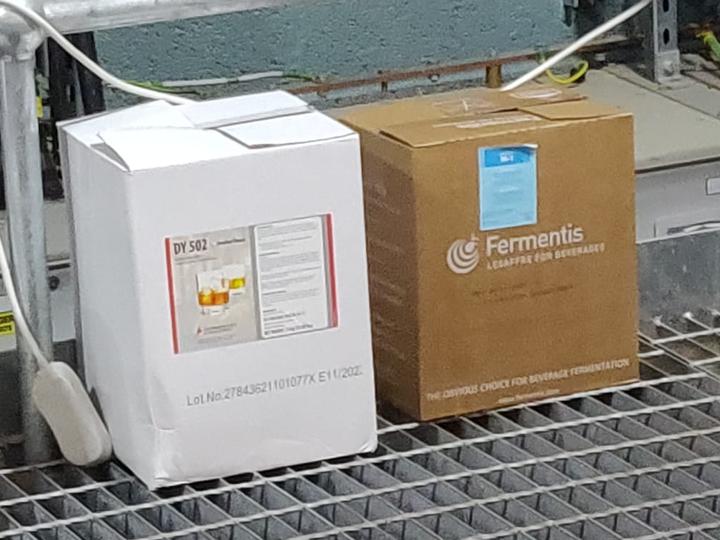
Jim Beam, Jack Daniel’s, Wild Turkey, Maker’s Mark and Woodford Reserve are just five of a myriad of Bourbon and Tennessee whiskey distilleries where sour mash is the production method of choice. For the consumer this is a widely recognised but little understood phrase adorning bottles. In truth it’s surprising that the phrase ever made it onto the bottle as the process refers to nothing other than the manipulation of pH to prevent bacterial growth. Sour Mash means that a part of the residue from a previous distillation is added into each mash.
Sour Mash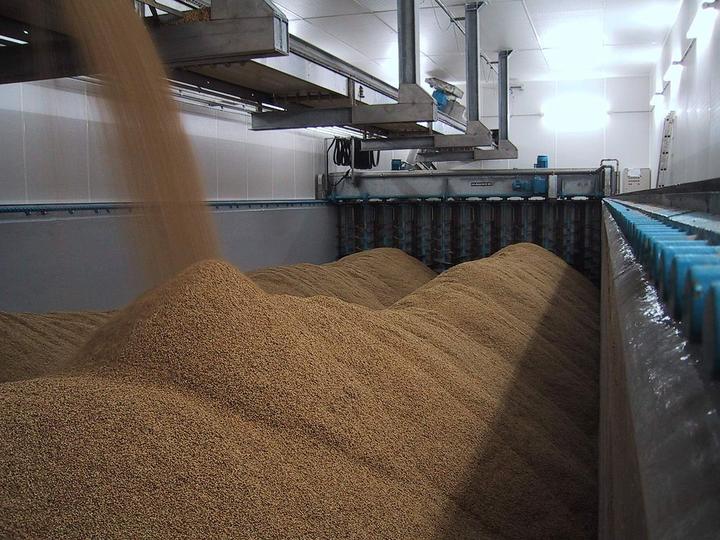
Drum Maltings
Published 17/08/2021
Drum maltings were once the shining star of maltster replacing floor maltings & Saladin boxes. Now these to are a footnote in the history of whisky. Learn more about the malt made in a rotating drum with Whiskipedia. What is drum malting A drum malting system is used for the steeping and malting of barley and other grains. The steeping system allows the grain to be washed, extracting any dust and other foreign impurities, while at the same time humidifying the grain to begin the malting process. The barley is mechanically turned in large industrial drums ensuring that the sprouting barley does not tangle.
Drum Maltings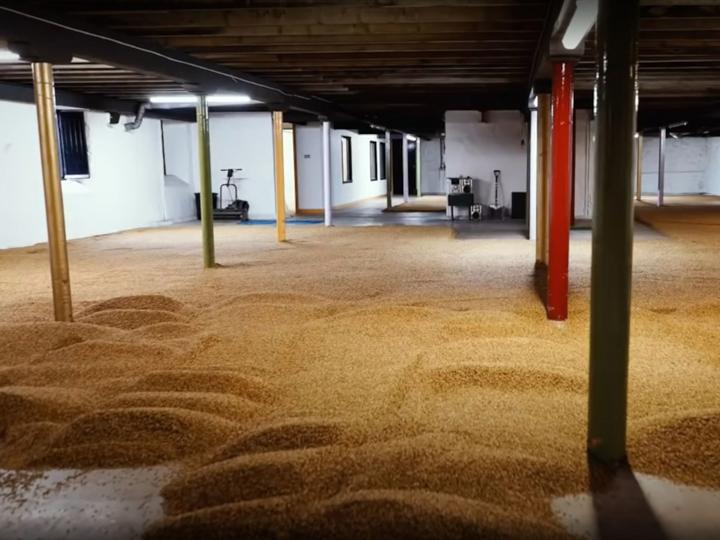
Malting grain
Published 17/08/2021
Malt and grain look very similar, but before grain becomes malt, it goes through a relatively complex process - malting. The grain of barley, by far the most important grain in brewing, consists of over 60% starch and long-chain dextrins, but only about 2% sugar. Even with other brewing grains such as wheat or rye, the approach is not fundamentally different. Yeast cannot process starch, it only ferments sugar. The breakdown of starch into fermentable sugar happens during mashing, but malting creates the conditions for fermenation. The endosperm of the grain is the iron ration of the grain. In it, energy and the building materials are stored in an efficient way. This energy is what the grain needs for germination at the beginning of its growth cycle, and is also exactly what the brewer needs for the creation of alcohol. In order to make them available the breakdown of the grain content begins with germination.
Malting grain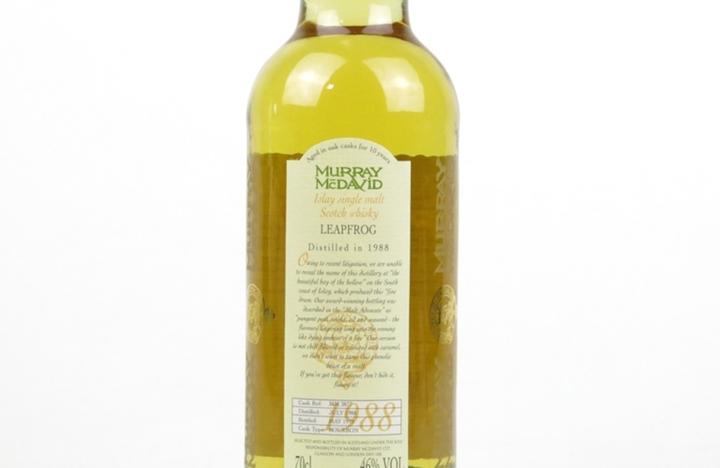
What are Independent whiskies bottlers?
Published 16/08/2021
Independent bottlers of single malt whisky are companies that do not necessarily produce their own whisky, but purchase individual barrels from distilleries, which they later bottle under their own branded label. In most cases, where teaspooning does not prevent this, the name of the original distillery may also be mentioned on the label of these bottlings. Excluding blends and supermarket chains the majority of independently bottled whiskies are single cask bottlings, bottled without spirit caramel colouring and chill filtration. Being single cask these are generally not diluted to 40% ABV but rather sold at cask strength.
What are Independent whiskies bottlers?
Scotland's Whisky Regions
Published 16/08/2021
When it comes to whisky, Scotland immediately springs to mind, even to the uninitiated. Indeed, Scotland is famous for its whisky. The Scots are still arguing with the Irish about who invented the whisky. Both have good and understandable arguments, which you are welcome to read in our posts on the history of Scottish whisky and the history of Irish whisky . In this post, we don’t want to argue, but rather introduce you to the five whisky regions in Scotland. Come on our flight to Scotland and get to know the Speyside, the Highlands, Islay, the Lowlands and Campbeltown.
Scotland's Whisky Regions
The Gaelic language & its history
Published 09/08/2021
The Gaelic language belongs to the Goidelic branch of the island Celtic languages and is closely related to the Irish and Manx languages. The close relationship with the Irish language can be explained by the immigration of Scots from Ireland to Scotland since the 4th century. In Ireland the language is Irish, while in Scotland the correct term is Gaelic. Although Irish and Gaelic share a common linguistic ancestor, they diverged and switched to two different languages over time. You might be wondering why this is of interest to whisky drinkers but the Gaelic toast Slàinte Mhath .
The Gaelic language & its history
Mizunara oak whisky casks
Published 05/08/2021
Mizunara oak (Quercus crispula) is not the obvious choice for whisky making and maturation. Mizunara oak is rare and expensive to obtain, it grows twisted so is difficult to cut into staves and being both wet and soft is an ordeal for the cooper. If that was not enough the casks have a tendency to leak. Despite all this, whisky producers in Japan are enthusiastic about it, and the wood is starting to attract attention around the world due to its unique flavour profile.
Mizunara oak whisky casks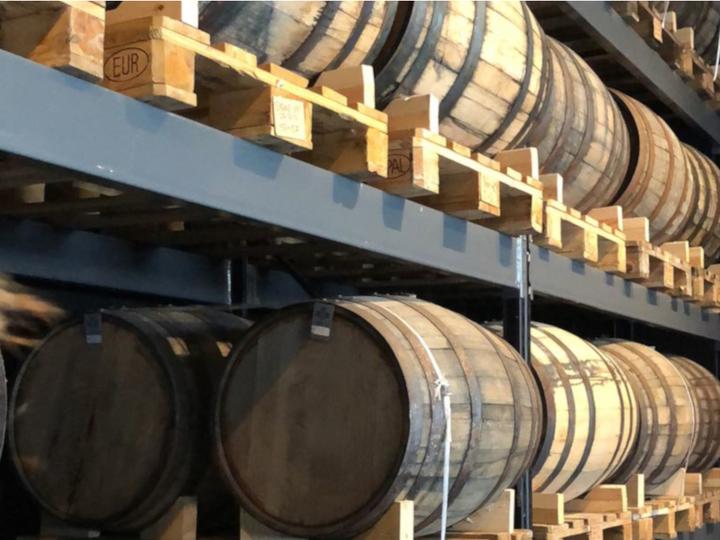
Whisky maturation
Published 05/08/2021
The aging of whiskey in barrels is an essential step in the manufacture of whisky. During storage in oak casks, the new make spirit absorbs and creates the flavours and aromas that shape its later taste. In addition, the whisky gets its beautiful color from the wood. We have already devoted ourselves to the malting, mashing, fermentation and of course the distillation of whisky in our detailed articles on the production, history and science of whisky. This article will deal with the events and secrets of the whisky barrel itself and how and why these came to be used.
Whisky maturation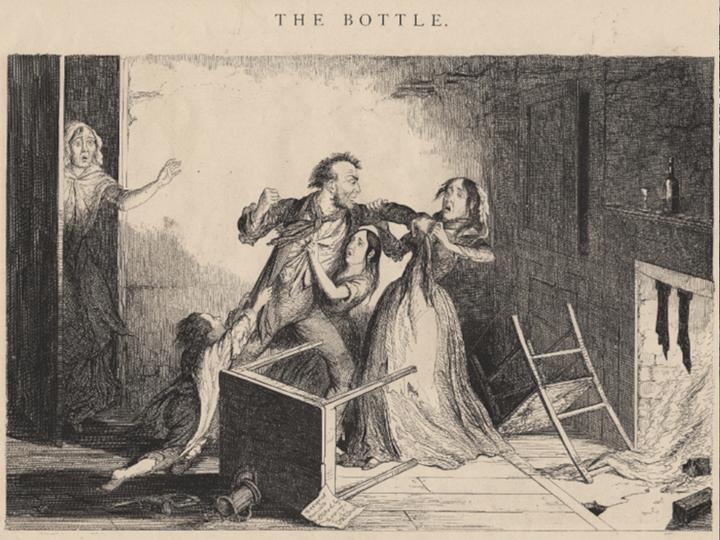
Scotland and Prohibition
Published 29/07/2021
The temperance movements of the last century took a heavy toll on global alcohol production, but outside the trendy speakeasy bars and clubs ostensibly modelled after America’s prohibition movements this is now largely forgotten. Few realise that Scotland had its own, in some cases surprisingly successful temperance and teetotalism movements as well. Prohibition in Scotland In Scotland under the 1913 Temperance Act local areas were given the option of voting on going ‘dry’, that is prohibiting the sale of alcohol. Unlike in the United States where a 13 year nationwide constitutional ban was enforced the Temperance Act was more limited in scope allowing small areas to introduce prohibition while the country as a whole remained wet.
Scotland and Prohibition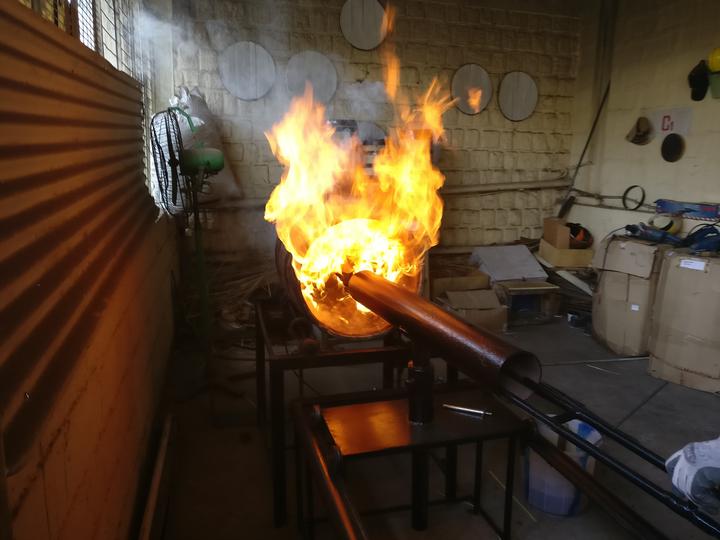
What are STR casks?
Published 16/07/2021
The lifespan of a barrel depends on what it is used for. Those used by the sherry industry in solera systems can often be decades old, while the bourbon producers, who until recently could only use new American oak casks, only use theirs for a few years before putting them on sell another industry. Virgin casks are sometimes used for whisky maturation in scotland, albiet very infrequently. The majority of the barrels used by Scottish distillers have already have been used to mature or store bourbon, rum, sherry, port or wine and other beverages. These are either shipped to Scotland whole, with a small amount of liquid retained inside to keep the barrel wet, or more often they are broken down into staves to save on costs and then reassembled in a Scottish cooperage.
What are STR casks?