

Whisky Fundamentals
Whiskey Rebellion and the Origin of Bourbon
Published 27/02/2021
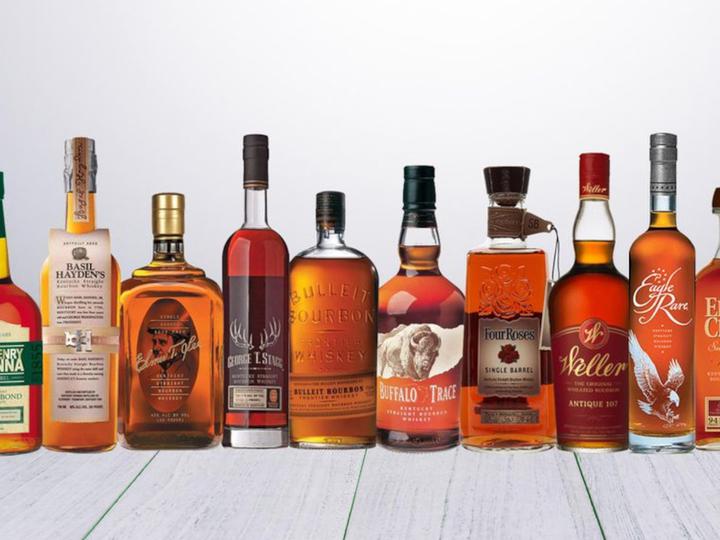
At a time when France was bringing down the monarchy, another revolution was taking shape across the Atlantic. Less violent, but at least as unprecedented. The whiskey rebellion would ignite the minds of the very young republic. To get around the prohibitions, the colonists would find a solution that would ultimately give birth to bourbon as we know it. “Perhaps there is no other nation on the earth, that has in so short a period experienced such various and interesting scenes as the people of the United States.” thus begins History of the insurrection, a work that has become a classic since published by William Findley in Philadelphia in 1796. Retracing the circumstances of the whiskey rebellion. It’s hard not to admire the understatement of “Interesting scenes”. The author evokes here a country which in less than fifteen years before had waged a war of independence against the greatest world power of the time. The settlers installed in the westernmost part of the territory were subjected to violent attacks from the indigenous populations (those “savage tribes”, according to Findley and where a harmonious coexistence between the constituent states of the new Republic was far from assured. As is often the case, the dispute at the origin of the insurgency was over taxation,
Whiskey Rebellion and the Origin of Bourbon
What is Paxarette?
Published 24/01/2021
The worldwide consumption of sherry has been declining since the late 1970s, but the demand for Scottish single malt whisky is constantly increasing and with it the demand for sherry casks - an unhealthy relationship. To make matters worse, since 1981 sherry can legally only be exported in bottles. The earlier synergy of the simultaneous export of sherry and casks has therefore been eliminated. This is the most common reason given for the introduction of paxarette but as with all aspects of whisky the truth is a little more complex.
What is Paxarette?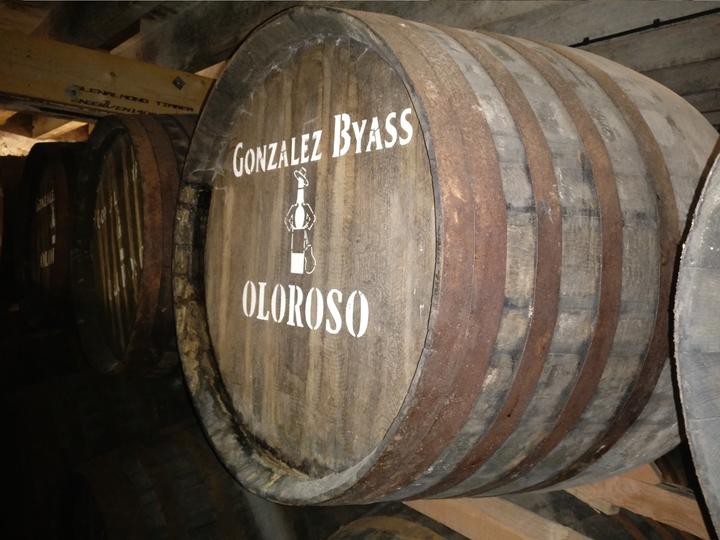
Types of Sherry
Published 22/01/2021
After bourbon casks, Sherry butts are the most used type of cask used for whisky maturation, though once these casks were far more common. Today Sherry casks are a benchmark in terms of flavor input but what is sherry and how did it enter whisky history? Sherry a definition Sherries are Spanish white wines from Andalusia. Most of the production takes place in Jerez de la Frontera in the Cadiz region. These wines are fortified with grape brandy, at 13% or 15.5% for Finos and 18% for Olorosos. There is a variant of sherry, Montilla-Moriles, produced south of Cordoba. These wines are chemically identical but the “Denominación de Origen Protegida” (DOP) recognises Jerez-Xérès-Sherry as one of Spain’s protected wine regions and thus within Europe “Sherry” has a protected designation of origin.
Types of Sherry
Japanese whisky distilleries worth knowing about
Published 17/01/2021
For the inclined drinker, ouzo belongs to Greece and cognac to France. When they think of whisky, they almost certainly thinks of Scotland. When Japan is invoked most would think of sake. However the country has a tradition of nearly one hundred years of distilling excellent whiskies. The pioneer: Yamazaki It all started here. Shinjiro Torii produced Japan’s first whisky in 1923 along the old road between Kyoto and Osaka. Torii was a pharmacist who caught the whisky fever when the first scotchs hit the country. It quickly became clear to him that whisky could also be produced on site if he could find a distiller. Fortunately, there was Masataka Taketsuru, a young scientist who had just received a whisky making tutorial in Scotland.
Japanese whisky distilleries worth knowing about
What are sherry casks?
Published 14/01/2021
What is the Solera method? The Solera method is a process of aging liquids such as wine, rum and brandy, by fractional blending so that the finished product is a mixture of ages. In this system, the casks are stacked on top of another, to allow the transfer cascade. That is, the change of liquids from one barrel to another by gravity. One of the characteristics of this system is that the percentage of the content of the barrels that is removed to fill others is limited. Legally in Spain the barrels can only be emptied by one third at a time. The cask is never completely emptied and so every subsequent bottling will contain a percentage of the oldest spirit. When the liquid assigned to the oldest barrels has been removed, it is refilled with wine from the next oldest barrel and this continues along the solera line.
What are sherry casks?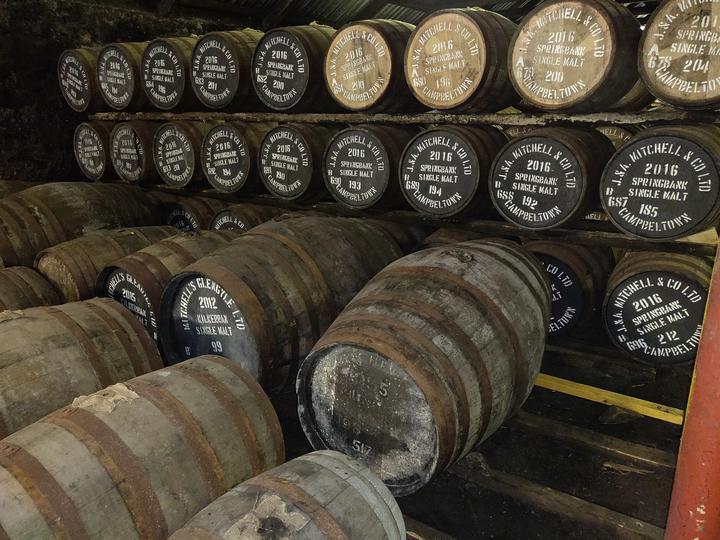
What is an Oloroso Sherry Cask?
Published 23/12/2020
Oloroso Sherry Cask are whisky casks which have been previously held Oloroso Sherry. Oloroso Sherry is a type of fortified wine produced near the city of Jerez de la Frontera in Andalusia, Spain. The Sherry Triangle produces wines which have been ‘fortified’ with a higher alcohol strength in order to prevent yeast growth and bottled under the official name of Jerez-Xérès-Sherry. There is something of a manufactured misconception, that the casks used at these bodegas are the same used for whisky maturation however this is not the case. Oloroso sherry casks are more commonly known as sherry butts within the whisky industry.
What is an Oloroso Sherry Cask?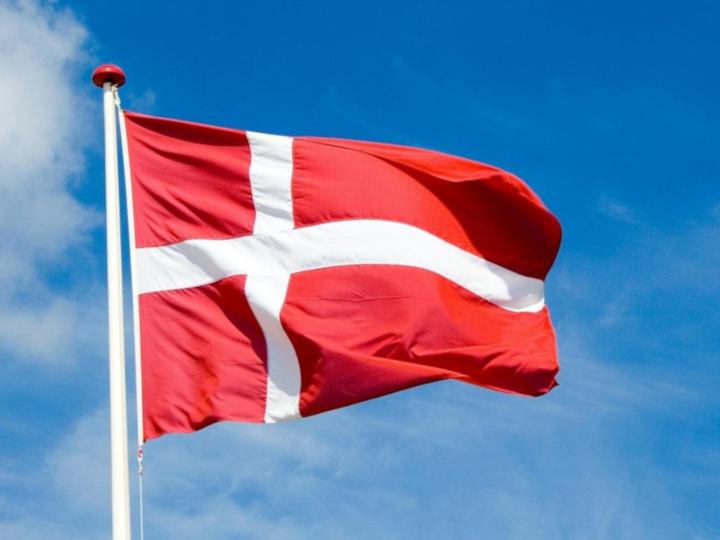
The Danish Whisky Boom
Published 22/11/2020
The whisky and distillery boom did not stop in Denmark until very recently. In contrast to their Nordic neighbours, Danish producers are no longer subject to an alcohol monopoly with state outlets for beer, wine and spirits. Likewise the extremely high taxes on alcohol are no longer retarding domestic production in Denmark. Every supermarket can offer spirits here and the distilleries can also sell their goods directly. These are relatively recent developments however, although the state alcohol monopoly was given up in 1973 when Denmark joined the European Economic Community (EEC, the precursor to the European Union) the countries domestic alchohol tax remained high until the mid ’90s.
The Danish Whisky Boom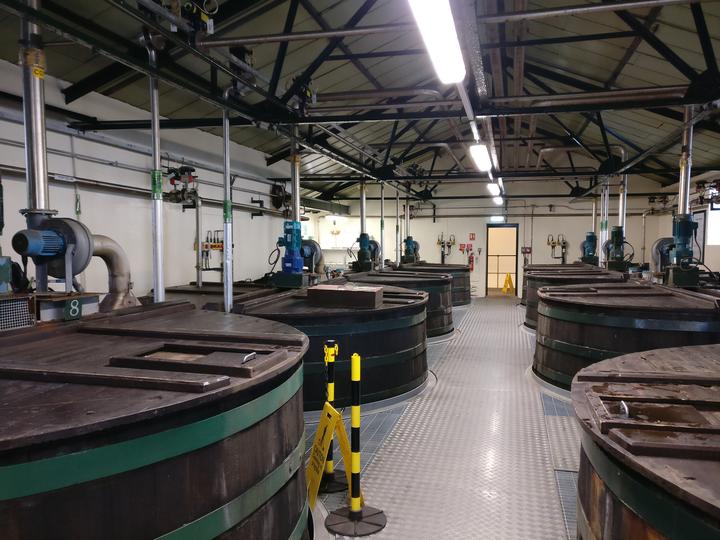
Washbacks
Published 02/09/2020
What are Washbacks? Washbacks or Fermentersare vessels made of wood, stainless steel , stoneware or concrete used for fermentation in connection with the production of alcohol. Within the whisky industry fermentation tanks are traditionally made of wood though a number of distilleries have followed the example of wine makers and breweries and begun shifting to stainless steel. Concrete Washbacks Famously, or perhaps infamously the Scottish Ben Nevis distillery was fitted with concrete washbacks under the tenure of former Canadian bootlegger Joseph William Hobbs. This was not actually the only distillery to adopt this practice however. Prior to its refurbishment in 1991 the now closed Karuizawa distillery also used epoxy-lined concrete washbacks.
Washbacks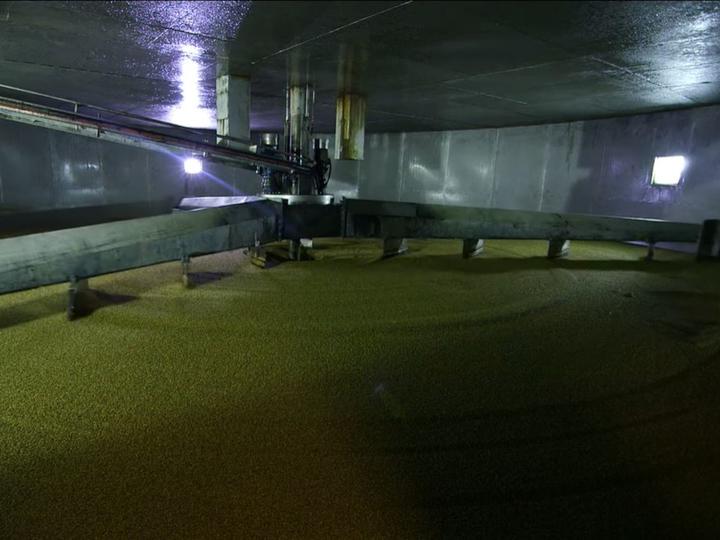
Commercial Enzymes in Whiskies
Published 20/08/2020
Before whisky distillation can take place beer like liquid, commonly called wash, must be created. The creation of wash, brewing by another name, occurs when the sugars from the grain are extracted via hot water. The resultant sugary liquid known as mash is then combined with yeast, and fermentation takles place. The main difference is whether the sugar for fermentation is created from natural, or commercial enzymes. What are Enzymes? Enzymes are proteins that act as biological catalysts, which is to say that they convert molecules into other molecules. An example of this is the enzyme lactase, which breaks a lactose down into two glucose molecules. People who do not produce the enzyme lactase can’t process lactose and are thus lactose-intolerant. Enzymes play a vital role in food industry and have been utilized enormously in many different stages of food processing. From cheese making, meat tenderising to the reduction of maturation time in wine making and crucially for whisky; brewing.
Commercial Enzymes in Whiskies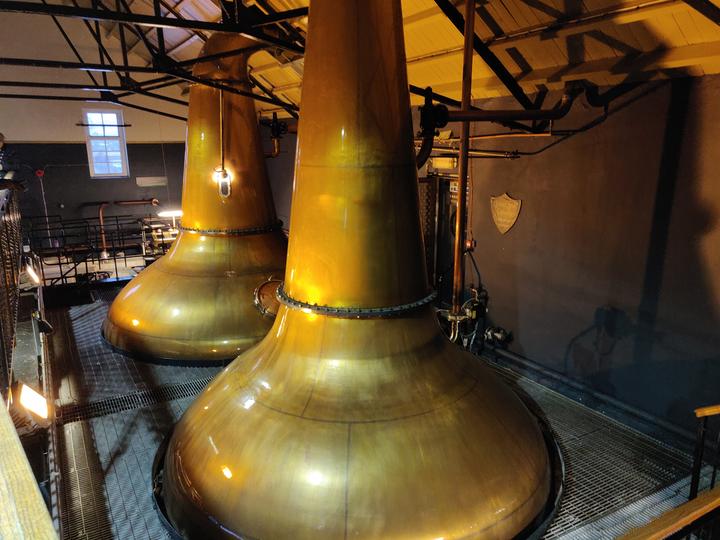
Types of Whisky Stills
Published 18/08/2020
There are many different types of stills in use around the world. From the vast to the strangely small, long-necked, multi-story, column stills, hybrid stills, and Lomond stills, indirect or direct fired. One of the most important distinctions, however, is the one between batch pot stills and continuous column or coffey stills. Those looking a little deeper into the processes of distillation, quickly realise that the process has changed little over the centuries. Admittedly, the stills used today are significantly larger than those of the compared to the 18th or 19th centuries. Nonetheless the essential making whisky remains as it has always been. In the simplest language, a distillery transforms a rather flat, moderately strong and unhopped beer (commonly known as wash) into a new make spirit. By exploiting the dffering boiling points of liquid the wash is heated, vapourised, re-condensed and collecting again.
Types of Whisky Stills