

Whisky Fundamentals
Whisky Glassware
Published 17/08/2020
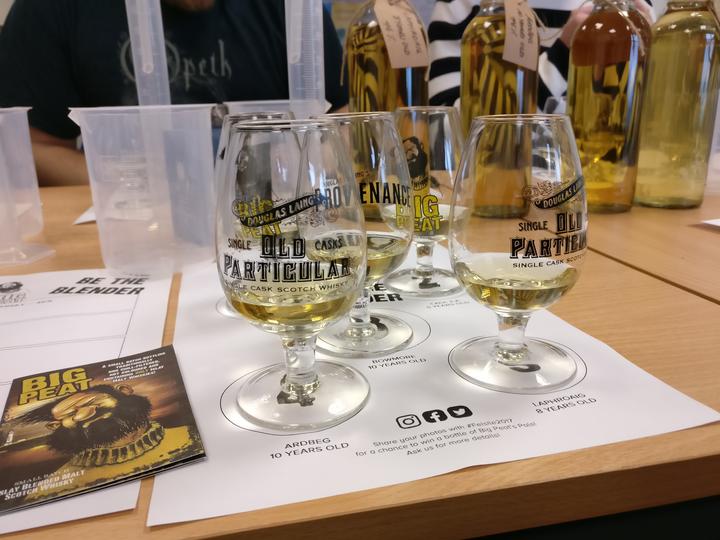
What Are The Best Whisky Glasses? The SMWS glass - the best all rounder The Glencairn - the most widely known glass, poorer for grain whiskies The Copita - fantastic for grain and sherried whiskies The Cognac Glass - widely available and great for most drams, weaker on peat The Blender’s Glass - perfect for blended whisky, good for grain The Túath Glass - solid for bourbons, ryes and Irish pot still The NEAT Glass - the perfect upgrade from a tumbler, excellent for high ABV The Norlan - an expensive tumbler The Tumbler - for those who want their whisky chilled The Highball - for those looking for refreshment Historical Background If you look into the history of whisky drinking, you will quickly come across the “Quaich” or “Quaigh” or “Quoich”. All three words come from the Gaelic term for “cup”, “Cuach” and denote a kind of flat drinking bowl with two handles on the right and left. Early forms were made from wood, later from stone, horn and then from silver and / or glass. The latter are often richly decorated or engraved. The Quaich probably originated in the Highlands, where it was served in the large cities of Edinburgh and Glasgow in the late 17th century, mainly for the enjoyment of whisky, and in “better society” for brandy. So, according to history, Sir Walter Scott served his dramas in silver quaichs. Today the Quaich is sometimes still used as a trophy, especially at traditional events such as Highland Games,
Whisky Glassware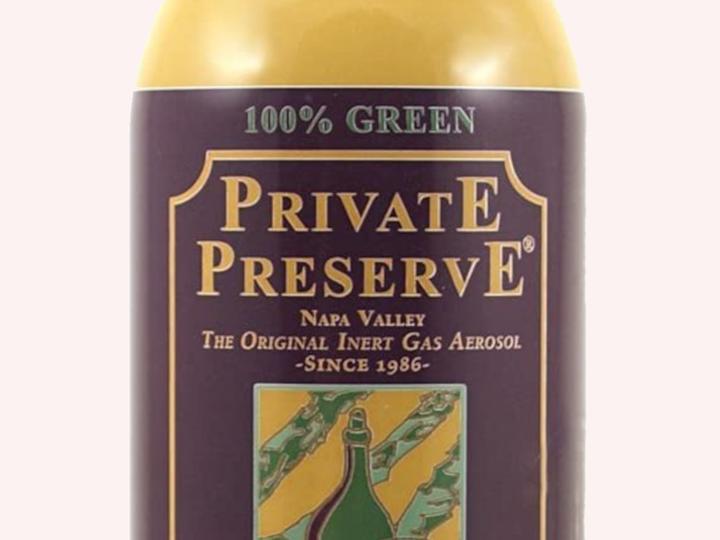
Inert Gas and Whisky Oxidisation
Published 15/08/2020
Unlike wine whisky doesn’t continue to mature in the bottle once opened, unfortunately the chemical transformations don’t stop entirely. While the change much slower than with wine, Oxidisation will inevitably change the taste of the spirit over the course of months and years. This can be a net benefit, with oxidisation improving younger whiskies, rounding out deficiencies just as it did to the whisky maturing within the cask. Unfortunately it can also be very detrimental. The surface area of the whisky and fill level of the bottle are the main determining factors in how quickly whisky will spoil. Whisky filled to the neck will oxidise far more slowly than one over half empty. Decanting into smaller bottles and the use of vacuum pumps are common solutions to this, less commonly marbles are sometimes used to displace oxygen content. The gold standard is the use of inert gas, however this comes with an unfortunate price tag.
Inert Gas and Whisky Oxidisation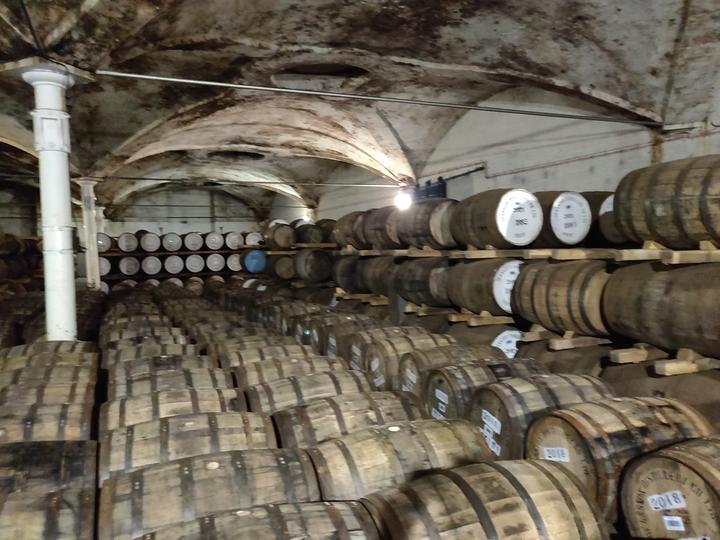
Baudoinia Compniacensis
Published 14/08/2020
What is Baudoinia Compniacensis? Baudoinia Compniacensis is a sac fungus (Ascomycota) that has been observed on a variety of natural substrates near distilleries including soil, rock and vegetation, as well as bonded warehouses, and nearby street signs. The fungus is a habitat colonist with a preference for airborne alcohol. Controvertial Neighbours In recent years the Baudoinia fungus has made newpaper headlines, as the fungus don’t limit their growth to the distilleries and warehouses. Baudoinia growth is not restricted to nutrient-rich or mineral substrates such as brick or wood. It can also be found on the metal bodies of cars, fences and traffic signs; often for more than a mile from the source of the alcohol. The smeary, sooty, black film on cars, houses and also garden furniture in the vicinity of the distilleries has led to numerous recent legal challenges.
Baudoinia Compniacensis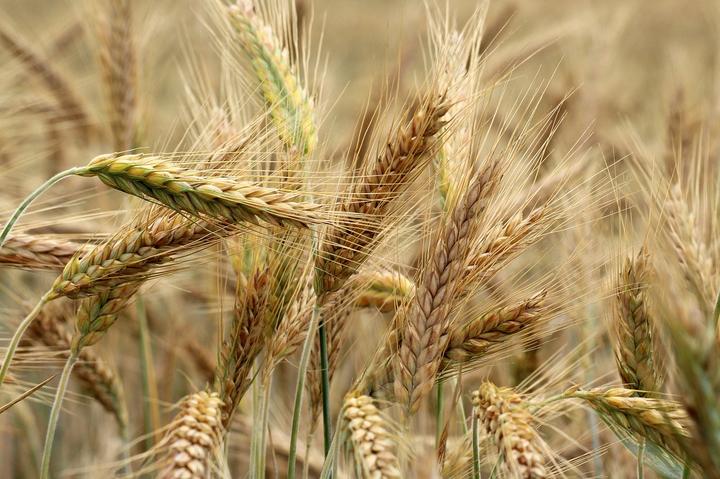
Grain Varietals and Whisky Production
Published 09/08/2020
All over the world the same 3 raw materials are used for the production of whiskies, whether for whisky, whisky or bourbon the base is the same, grain, water, and yeast. With these 3 ingredients a mash is created, brewed, distilled and matured creating every variation of whisky on the planet. Every whisky consists of one, or more different types of grain. The distilleries that use several varieties have their secret mixing ratio (the Mash Bill).
Grain Varietals and Whisky Production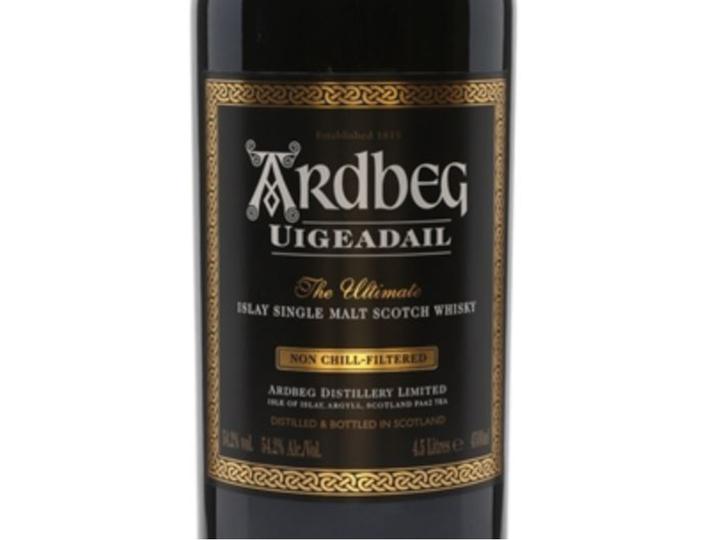
No Age Statement (NAS) whisky
Published 09/08/2020
A relatively new trend has been causing controversy within the traditionally age focussed whiskey world for the last few years. No Age Statements, whiskies with no age information on the label. Most NAS whiskeys are single malts, these came about as a consequence of the law requiring that only the age of the youngest whiskey in the bottle may be stated. What is NAS Whisky? NAS stands for No Age Statement and means that no information will be given about the age of the liquid inside the bottle.
No Age Statement (NAS) whisky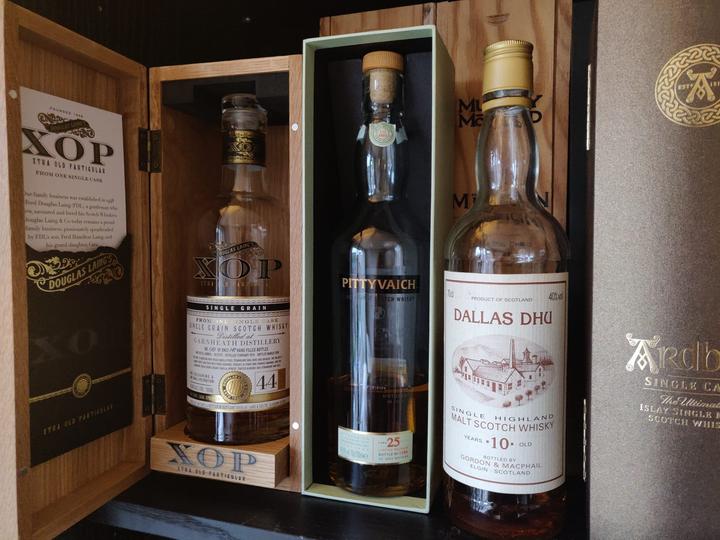
Whisky & Oxidation
Published 06/08/2020
Unlike wine, whisky doesn’t continue to mature after it’s been bottled but that doesn’t mean it doesn’t change. Oxidation is great transformation tool, and one to oft overlooked by new whisky enthusiasts. Spoiling Great Whisky There are two great truths of the human condition; We never want a good thing to end Alles hat ein Ende, nur die Wurst hat zwei (German for ’everything has an end, only the sausage has two') When an inexperienced whisky fan finds a spectacular new whisky they generally go through a three stages. They begin by prodiguously pouring and sharing. Then seeing the fill dip they share only with their closest friends, those deemed able to appreciate it. Finally they miserly pour smaller and smaller measures trying to put off the end of the bottle. Never more true if the bottle is rare, a lost gem. Unfortunately the whisky changes, the victim of oxidation and inappropriate storage becoming something other than what they loved to begin with.
Whisky & Oxidation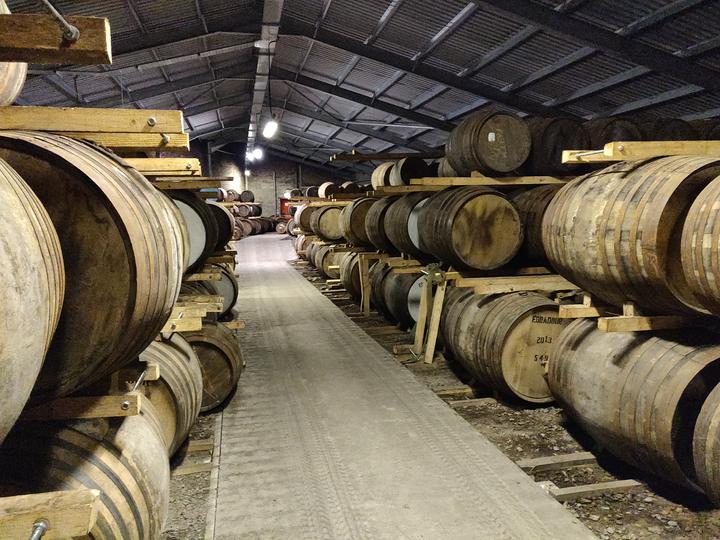
Sulpher in Whisky
Published 06/08/2020
Sulphur is a controvertial topic within the whisky industry, and a number of high profile characters, including the man with the hat have waded in. Unfortunaly this has often served the purpose of confusing the matter rather than clearing it up. It should be understood that whiskey always has, and always will contain sulfur compounds. Sometimes its concentration is so low that it does not reach the odor thresholdand thus cannot be perceived. Therefore it’s not so much a question of whether whisky contains sulfur, but what type, and how concernated it is, and to a lesser extent where sulpher enters into the whisky
Sulpher in Whisky
Whisky Production Process
Published 01/08/2020
While every distillery has its own recipe for making malt whisky, they all largely follow a basic recipe. The process, although strictly regulated, offers a lot of leeway for the master distiller to create his own style. Each step affects the character of the malt. Let’s find out how Uisge Beatha is made and how the flavors get into the whisky. Ingredients whisky consists of surprisingly few basic ingredients; grain, water and yeast.
Whisky Production Process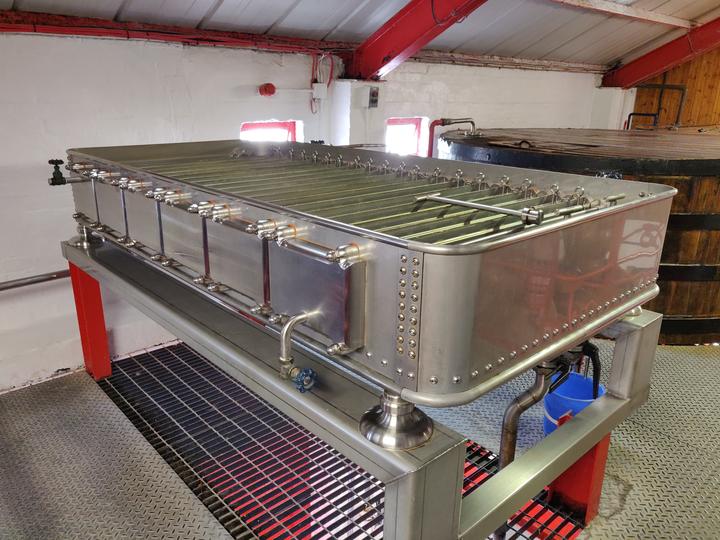
What is a Mortons Refrigerator?
Published 31/07/2020
A Mortons Refrigerator is a device used to cool wort drawn from a mashtun using only cold water. Largely abandoned as a technology in favour of modern heat exchangers these used to be prevelant across the whisky industry. After boiling water is fed through the ground barley in the mash tun the resulting wort must be heated before fermentation can begin. At Edraduor distillery this cooled in the Morton refrigerator only with cold water. This is the last of its kind that still works in the whisky industry.
What is a Mortons Refrigerator?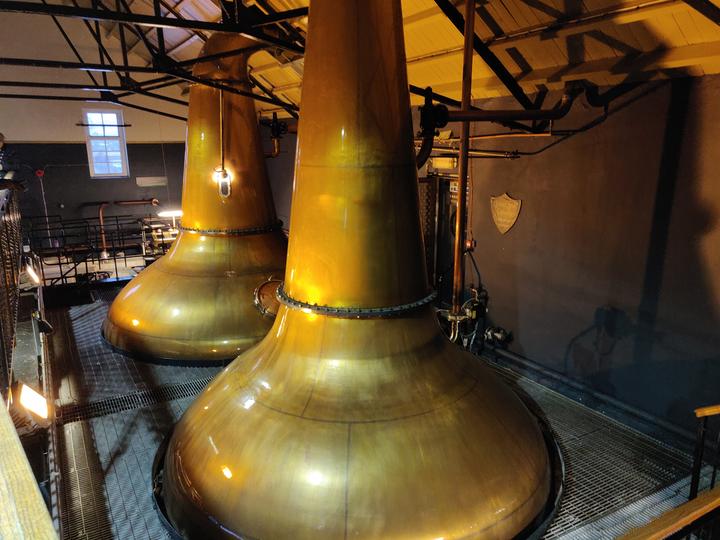
Lomond Still
Published 27/07/2020
The Lomond still The shape of a whisky still has a profound impact on the spirit created, small squat stills such as those found at Edradour will result in a waxy, oily and estery new make. The reduced surface area results in more of the heavy oils, fats and congeners being carried over into the lyne arm and condenser. In contrast large stills, such as those at Glenmorangie distillery, create far more copper contact and allow for far greater reflux (when some of the spirit vapour meets a cooler surface inside the still, coalesces back to liquid, and falls back down the still for re-distillation). The result is a far lighter and fruitier new make spirit.
Lomond Still