

Whisky Fundamentals

Lost Diageo 11
Published 27/07/2020
The Whisky Loch The history of the Scotch whisky industry, like any others under capitalism is one subject to periods of boom and bust. The 1820s saw a glut of whisky result in a wealth of distilleries halting for years, amalgamated or being lost entirely, it was in this backdrop that the famed Kennetpans Distillery was lost in 1825. By the 1840s the boom had come again and would last for the next few decades, a further slowdown and subsequent boom ended with the Pattison whisky crisis. The late 1970s and early 1980s saw crisis come again. Many distilleries had been running at short time since at least 1981 in order to maintain full employment but with no obvious end in site the axe fell.
Lost Diageo 11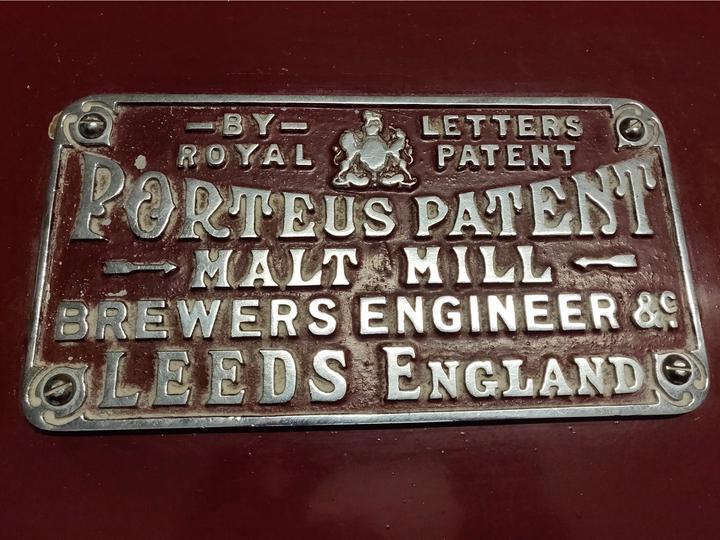
Porteus & Boby malt mills
Published 27/07/2020
New to the production basics? Start with Whisky production and Mashing. If you are here because of hammer mills, the companion explainer is What is a mash filter?. What does the mill do? Before malt can be mashed, it has to be broken down into grist. The goal is not simply to turn barley into powder. A whisky distillery usually wants a controlled mix of: husk grits or middles flour In a classic mash-tun setup, that balance matters because the husk helps form the natural filter bed through which sweet wort is drawn off. Too much flour and the mash can run slowly or stick. Too much intact husk and extract suffers.
Porteus & Boby malt mills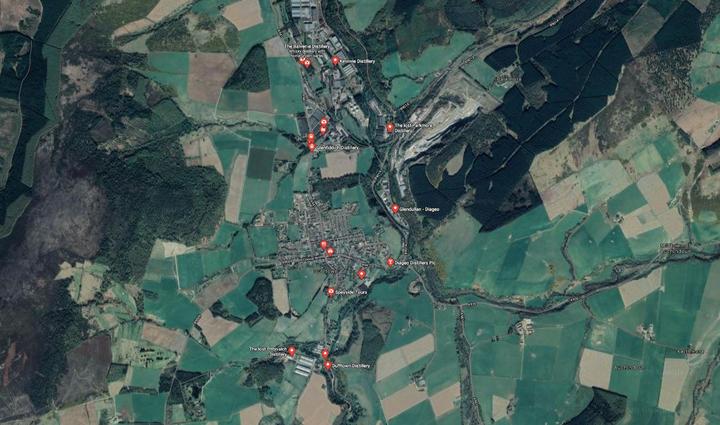
Dufftown's Seven Stills
Published 24/07/2020
If any region in Scotland is known for whisky, it is the Scottish Speyside. If you ask about the whisky capital of Speyside, Dufftown is probably the best answer to this question. This city stands out less because of its population, with only 1,700 inhabitants, than because of its density of whisky distilleries. Dufftown Stands on Seven Stills Between 1823 and 1897, seven whisky distilleries were established in the village, which coined the saying: “Rome was built on seven hills, Dufftown stands on seven stills”. The proverb refers to the seven whisky distilleries of Dufftown, next to Balvenie and Glenfiddich, created between 1823 and 1897. Two of these founding distilleries are now closed, Parkmore shutting down in 1931, and Convalmore closed for the final time in 1985.
Dufftown's Seven Stills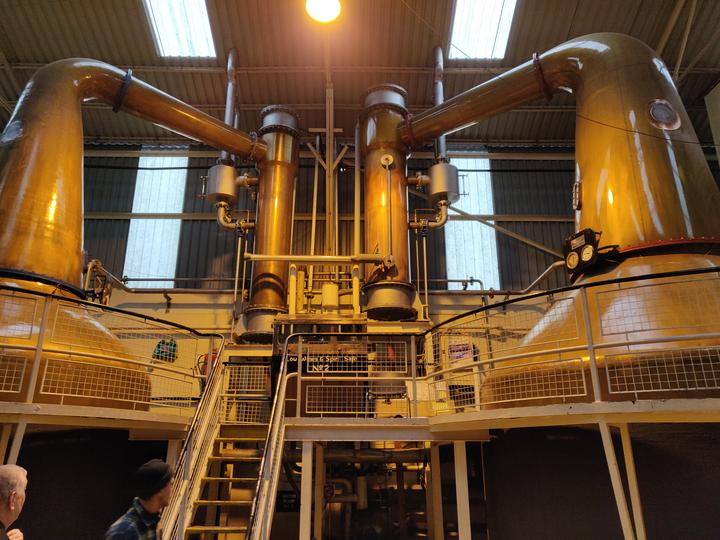
The Condenser
Published 24/07/2020
What is a condensor? A condensor is a device for re-condensing new make spirit upon leaving the still. The steam will arrive in the condenser, which will be filled with water. The water will extract the heat from the steam, which will then condense and the cooler unit will flood. There are two main types of condenser used at distilleries: ‘Shell and Tube’ condensers and ‘Worm Tub’ condensers. The type of condenser used by a distillery hugely effects the flavour of the whisky, with shell and tube condensors creating lighter spirits that those produced by a worm tub. A third kind, common among American distillers is the Dephlegmator
The Condenser
What Is a Dram Of Whisky?
Published 24/07/2020
If you drink whisky regularly, you really can’t avoid hearing someone use the word dram. With good friends in the pub, at a whisky show or when touring a distillery the volume always seems to differ making a dram seem to be a rather imprecise unit of measurement. So it’s high time to get to the bottom of the measure of dram. The British Measurement System Our first research impulse lead us to the Anglo-American system of measurement, which is still used today in parts of the former British Empire. From 1973 onwards, it was actually planned to slowly but surely switch to the metric system common in the rest of Europe. However, the old units of measurement (yard, mile, ounce, pound, pint etc.) continue to be so popular among the population that the changeover (especially against the background of Brexit) may never be completed.
What Is a Dram Of Whisky?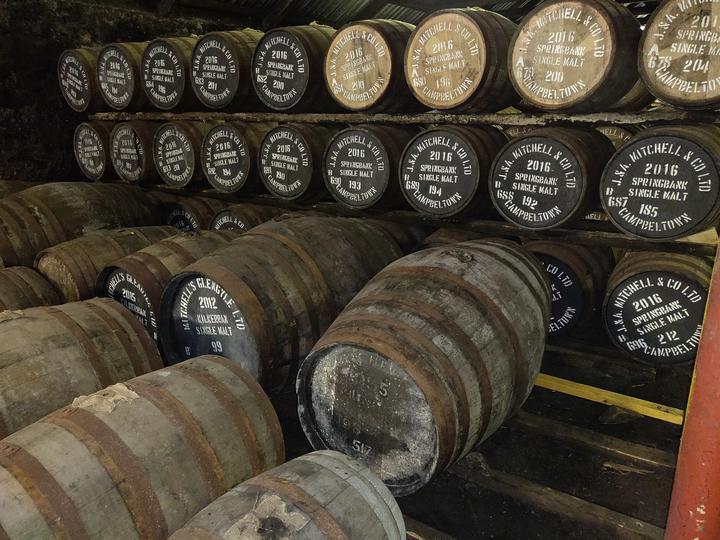
Whisky Casks: The Hogshead
Published 24/07/2020
After barrels, hogsheads are the second-most common type of cask used in maturing Scotch whisky. A hogshead, or ‘hoggie’, is a unique type of reconstructed cask with extra staves and new ends. Considered the most popular aging mechanism, it allows for more whisky to be stored in the same amount of warehouse space, though with less wood contact than the common American Standard Barrel. What Is A Hogshead? A Hogshead is an approximately 250 liter oak barrel used for the maturation of Scotch whisky. It’s common for coopers to break down five ex-bourbon barrels into staves and reassemble them with new ends to make a hogshead, or hoggie. It is made from oak, which imparts flavors of vanilla, coconut, and spice to the whisky as it ages. Hogshead casks are often used to age single malt whisky, as they are large enough to hold the product of a single distillation run. In addition to their size and the type of wood they are made from, hogshead casks are also distinguished by their shape. They are typically longer and narrower than other types of whisky barrels, which can help to concentrate the flavors of the whisky as it ages.
Whisky Casks: The Hogshead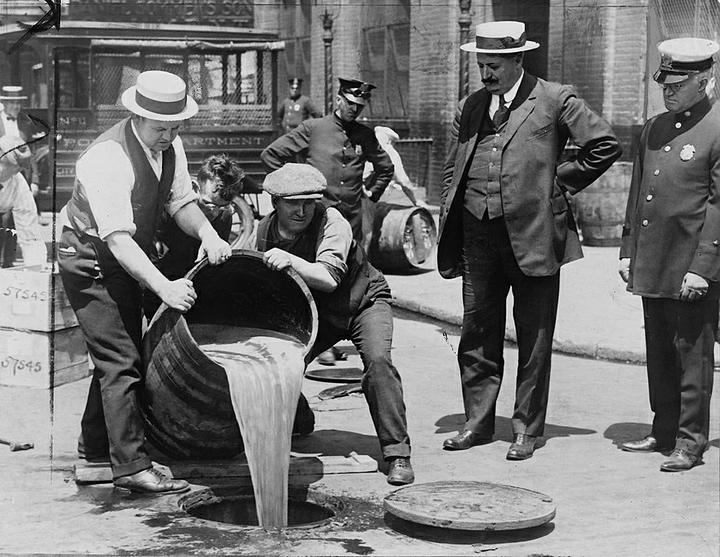
Americans and Prohibition
Published 22/07/2020
United States At the beginning of the seventeenth century it’s fair to say Europe was not at its peak, famines, war and repressions led many of its citizens to emigrate to other countries and the New World was often seen as a place full of possibilities. Among the migrants there were also Scots and Irish, who in addition to their luggage, they also carried the secrets of distillation. The first settlers Initially Scots and Irish settled on the east coast of the New World, they founded the states of Maryland, Virginia, North Carolina and Pennsylvania. Unlike the Old World, the United States was not rich in malt and the new colonists adapted to growing rye and corn, Beer being difficult to transport and more easily spoiled was further distilled to create whiskey. In 1771 there were already several whiskey producers, although none on an industrial level. Whisky production was so rampant so that the federal government decided to tax distillates, resulting in what has gone down in history as the “whiskey rebellion”. The Pennsylvania distillers responded with violence and intimidation of the federal agents and it took the intervention of George Washington to restore order.
Americans and ProhibitionBarley Varietals and Whisky Production
Published 22/07/2020
Barley, water and yeast are the only ingredient in Single malt Scotch (colourings aside) but few whisky drinkers seem to know or care much about it. Bruichladdich whisky distillery among others feels very differently about this, as shown by their recent terroir experiment, and few are keen to admit that more and more is being produced not in Scotland but in England. How much Malted Barley is used for Whisky Making? The Scottish whisky industry presently consumes an incredible 800,000 tonnes of malting barley a year for whisky distillation and a further 100,000 tonnes for the production of beer, the combined figure is expected to grow by around 20% over the next five years as new distilleries are established, mothballed distilleries spring back to life and existing ones are expanded. This level of demand means that distilleries are turning to English farmers for barley as they have at least currently exhausted the supply capacity of Scottish Farmers. The HGCA Recommended List 2015 notes that approximately one third of all UK barley production is now used for malting, brewing and distilling.
Chill Filtration
Published 22/07/2020
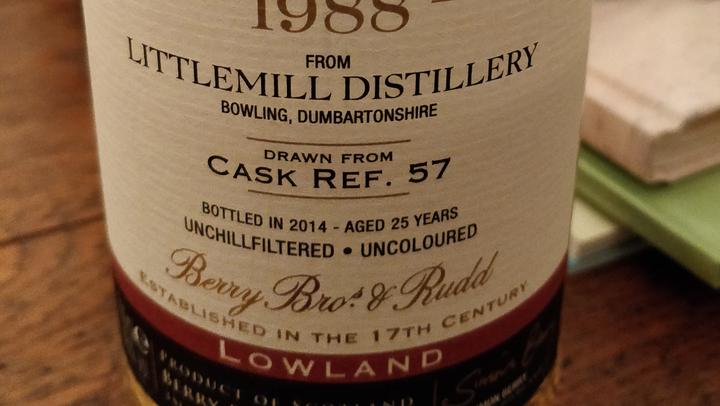
‘Non chill-filtered’ the term sounds good on the label of a whisky bottle. And many whisky connoisseurs are firmly convinced that an unfiltered single malt is the way it should be. But what exactly happens with the chill-filtration of whisky? And do unfiltered whiskies really taste better? Are ’non chill-filtered’ whiskies better than chill-filtered whiskies? The general consensus is that from a purely taste perspective the impact is so small as to be unnoticible in a blind tasting. However the absense of oils and fats within the whisky will certainly change the mouthfeel.
Chill Filtration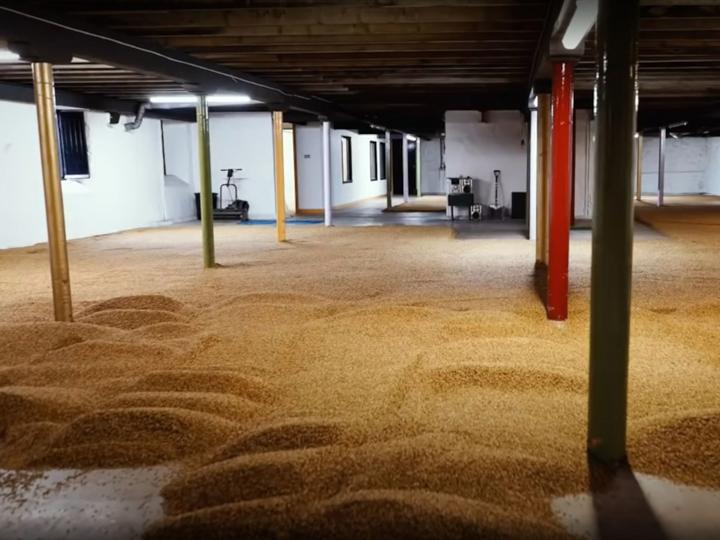
Floor Maltings
Published 22/07/2020
Only a few Scottish distilleries still malt their barley themselves, many malting floors have long been mothballed. All the more exciting, what actually happens there on the remaining malt floors and how the barley is prepared for firing. Why is barley malted before whisky distillation? Before malt whisky is made, the barley is almost always malted. This is because the barley contains the required sugars in an unprocessed starch form. For this sugar to be useable for fermentation it must first be converted into a simple maltose sugar that the yeast can then convert into alcohol. Happily barley also contains within the enzymes required to convert this starch and these are released during the malting process. Although not all whisky is made using malted barley, other oats such as rye, wheat and even unmalted barley may be used some malted barley is almost always added into the mashbill, this is because of the high diastatic power](/fundamentals/diastatic-power/)(amount of enzymes) within malted barley which allows it to convert sugar in other grains as well. In the US and Canada commercial enzymes may be used in place or malted barley in order to make 100% rye or corn whiskies.
Floor Maltings